

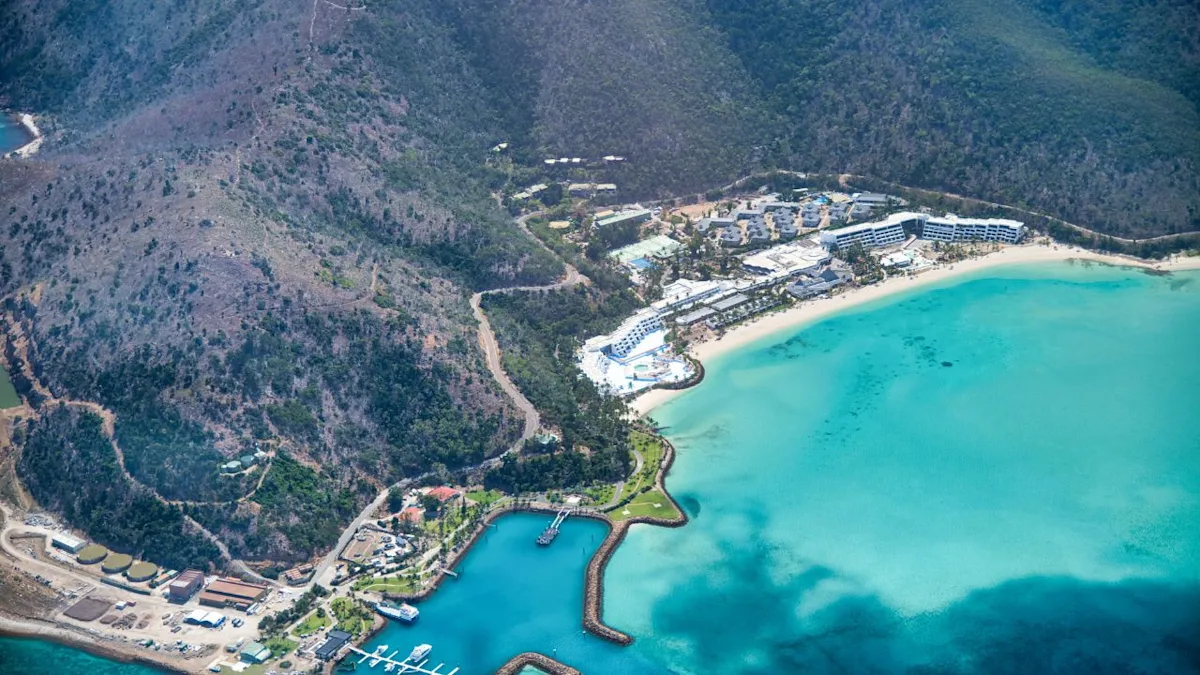
Travel is usually about escapism, beaches, skylines, flavors, sunsets. The world is changing faster than guidebooks can update, and some of Earth’s most breathtaking destinations are shifting before our eyes. Glaciers are retreating, reefs are bleaching, ancient coastal cities are flooding, and ecosystems that have existed for millennia suddenly feel temporary.
Visiting these places now is not tourism in the traditional sense; it’s witnessing living chapters of natural history while they’re still turning. You’re not just collecting stamps in a passport, you’re seeing sections of the world that future generations may only experience in photographs, digital recreations, or memoirs written by those lucky enough to stand in the original light.
What makes this list urgent isn’t just environmental damage, it’s how dramatically the experience of being in these destinations is transforming. Crystal lagoons are darkening, snow lines are shrinking, iconic river systems are drying, and coastlines that defined entire cultures are disappearing grain by grain. Yet, in the present moment, these places are still extraordinary.
They still shimmer with life, color, texture, and spirit. They still overwhelm the senses and humble the traveler. But the window is narrowing. If there was ever a time to go, to see, to feel, to understand, it’s now, while the world’s masterpieces are still painting themselves across the horizon.
The Maldives
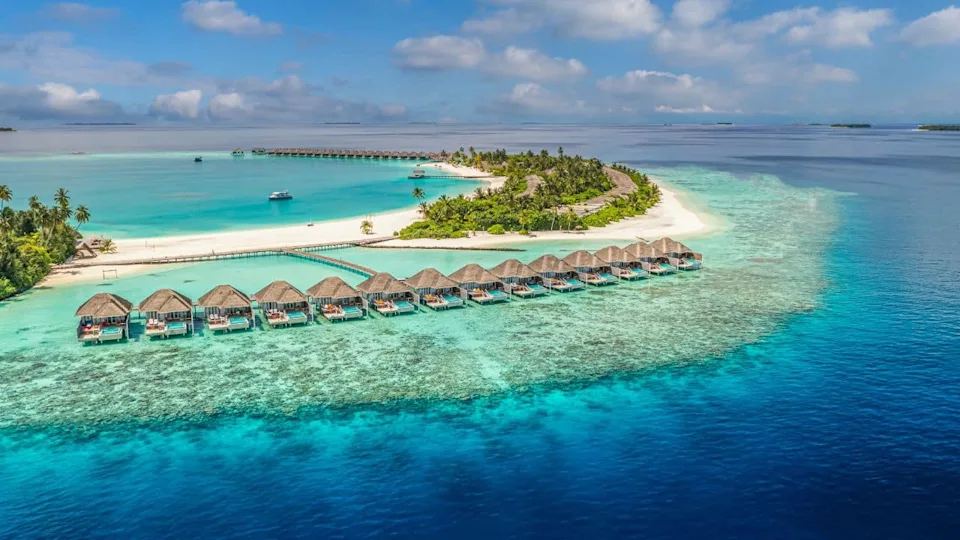
Image Credit: Shutterstock
The Maldives has long been the global symbol of tropical perfection: glowing lagoons, floating villas, and sugar-soft sand that dissolves between your toes. Beneath that serene postcard lies one of the world’s most urgent climate stories. Rising sea levels continue to swallow shorelines inch by inch, leaving some islands permanently altered and others preparing evacuation strategies for the next few decades. What you see now, the iconic turquoise clarity, the glassy sunrise horizons, the gentle drift of atoll tides, may not exist in the same form for the next generation of travelers.
Yet, despite its fragility, the Maldives remains a place of deep calm and unfiltered beauty. Coral reefs in certain regions still burst with psychedelic blues and neon yellows, sea turtles drift like ancient guardians through warm tides, and manta rays flip through the water like pages in a slow-moving storybook. Resorts that once marketed exclusivity now advertise restoration, inviting guests to participate in coral planting, marine monitoring, and reef-safe travel practices. The experience feels less like luxury for luxury’s sake and more like partnership, an invitation to protect what you’ve come to admire.
To visit the Maldives today is to hold paradise gently, knowing it can’t always hold itself. Sunrise feels softer, laughter floats farther across water villas, and the horizon seems painfully perfect because it is finite. Travelers now come not just to disconnect from their world, but to connect, meaningfully, with a natural wonder balancing beauty and disappearance.
Venice, Italy

Image Credit:Shutterstock.
Venice has always danced with water, but climate change has turned that dance into a struggle. “Acqua alta,” once an annual inconvenience, now floods squares, basilicas, and bridges multiple times a season, placing priceless architecture at constant risk. The city remains visually poetic, pastel corridors reflected in mirror-still canals, gondolas gliding beneath Gothic windows, quiet courtyards scented with salt, but the moisture that romanticizes Venice is also eroding it from within.
And yet, when the cruise ships withdraw and the fog arrives, Venice feels more intimate than ever. Winter mornings reveal a silent lagoon world that tourists rarely see, where artisans open shutters slowly and church bells echo through empty calli. Museums once overrun with day-trippers become spaces of reflection. Instead of waiting behind crowds for a glimpse of Titian or Tintoretto, you can stand before masterpieces and listen as curators speak about restoration not just as preservation, but as ongoing rescue.
To stand in Venice today is to feel history shift beneath your feet. The city remains magnificent, a living watercolor, but it also feels like a whispered secret passed between eras. You don’t just visit Venice; you witness a masterpiece negotiating with the tide.
The Great Barrier Reef, Australia
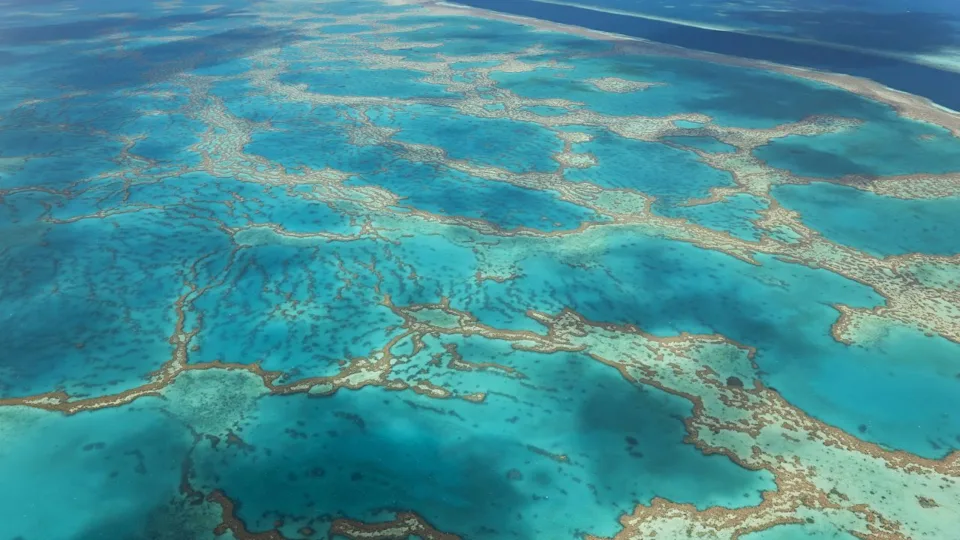
Image Credit: Shutterstock.
The Great Barrier Reef remains one of Earth’s most complex living systems, yet it is also one of its most vulnerable. Warming waters have triggered mass bleaching events, stripping sections of coral of their vibrant hues and altering ecosystems that once thrived for millions of years. Still, many regions remain spectacular, bursting with tropical life: swirling parrotfish, sea stars bright as gemstones, and coral gardens that move like slow winds under the surface.
Travelers who dive today experience not just awe, but education. Marine biologists guide excursions, pointing out restoration zones and coral nurseries designed to regrow what heat has stolen. Instead of simply observing, visitors now join the effort, planting fragments of coral that may one day rebuild entire habitats. It transforms a bucket-list destination into a hands-on survival mission, part adventure, part responsibility.
The Reef is not gone. It is wounded, resilient, luminous, and urgent. Watching sunlight ripple across shallow coral shelves, hearing nothing but your breath and the steady pulse of tides, is a reminder that this place still glows with life, but needs witnesses before memory becomes its only map.
Glacier National Park, USA
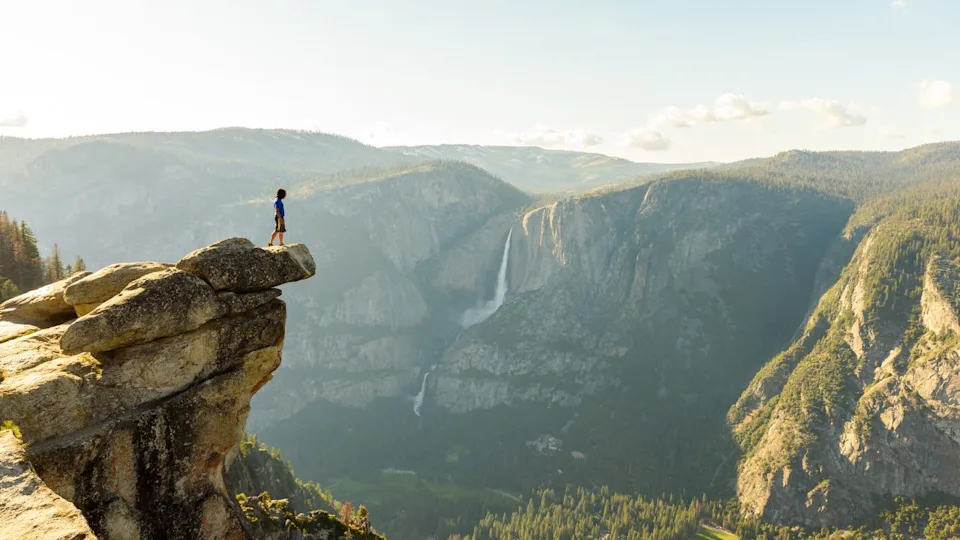
Image Credit: Shutterstock.
Glacier National Park still looks like a cinematic epic, knife-edge peaks, turquoise lakes fed by ancient ice, and valleys so quiet that even a whisper seems oversized. Its defining feature, the glaciers, are shrinking at a speed that scientists once thought impossible. What were once hundred-foot walls of compacted snow and ice are now seasonal streams, and trails that decades ago remained icy well into summer are bare by June. The transformation doesn’t diminish the park’s grandeur, but it does heighten its urgency.
Visiting Glacier today feels like walking through a living timeline. Interpretive signs along popular hikes show where ice used to rest, quiet markers of loss standing against a jaw-dropping backdrop. Nature here remains vibrant: bighorn sheep scale impossible ledges, grizzlies roam through huckleberry fields, and alpine meadows ripple like fabric under the wind. The wild, raw identity of the park is intact, it’s just changing faster than the map can keep up.
Those who visit now often talk about a noticeable shift in how they travel here. Days feel slower, hikes more reverent, and views somehow heavier, as if you’re not just witnessing beauty, but witnessing time. Glacier National Park is still magnificent, still powerful, but now it reminds you, with every melting ridge, that even mountains can disappear.
The Swiss Alps
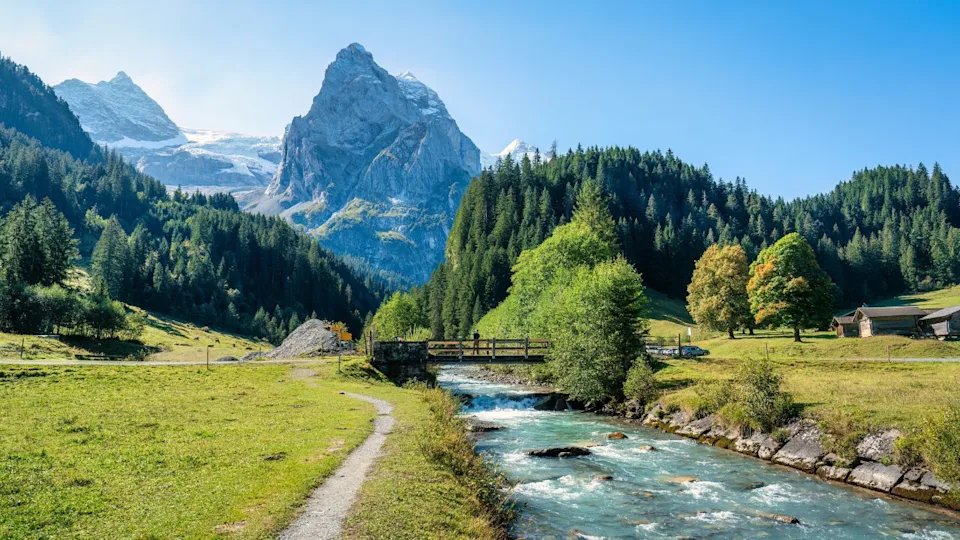
The Swiss Alps, Switzerland
The Alps have always promised eternal winter, glittering slopes, snow-heavy chalets, and skies crisp enough to taste. Warmer winters are now shortening ski seasons and thinning the snowpack that defines alpine life. Cable cars that once ran from November to May now open late and close early, and some lower-elevation resorts survive only through manufactured snow. It’s still breathtaking, the scale, the peaks, the silence, but the reliability of winter is fading.
Arriving in the off-peak months, travelers now find a landscape that feels like two worlds in negotiation. Hiking trails reveal green slopes where snow should be, wildflowers bloom too early, and glacial melt feeds rivers at unpredictable rhythms. Villages that once timed their economy to snowfall now reinvent themselves with wellness spas, alpine cycling, and glacier viewing platforms that double as reminders of what’s at stake.
Still, nothing strips the Alps of their magic. The air remains impossibly clean, mornings arrive gold-toned and sharp, and the sound of cowbells drifting through valleys is pure alpine music. But when glaciers pull back year after year, you begin to understand: beauty isn’t guaranteed, not even in places built from stone and legend.
The Dead Sea
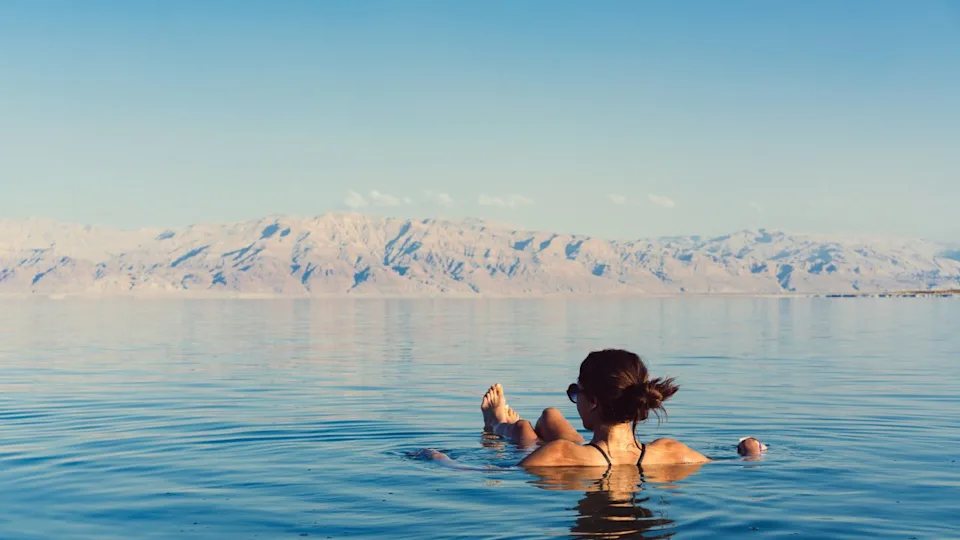
Image Credit : Shutterstock.
Floating on the Dead Sea feels like a biblical miracle, a body so salty that it lifts your limbs effortlessly above the surface. But the waters that define this wonder are retreating at a shocking rate, dropping more than a meter per year. Sinkholes now open around its perimeter, swallowing roads, palm groves, and once-confident walkways. The transformation is so rapid that maps are outdated within seasons, not years.
Despite its shrinking shoreline, the Dead Sea remains otherworldly. Its mineral-rich mud still draws wellness travelers, and the silence of the surrounding desert feels almost cosmic. Sunsets cast violet and gold across the water, creating reflections so still they resemble glass. The experience is no less powerful, only more precious, a reminder that natural miracles are not eternal.
Those who come now discover a dual reality. You float, you marvel, you take the iconic photo, and then you drive past newly abandoned resorts built for a shoreline that no longer exists. The Dead Sea is still wondrous, still calming, still unlike any place on Earth. But time is stealing it grain by grain.
Antarctica
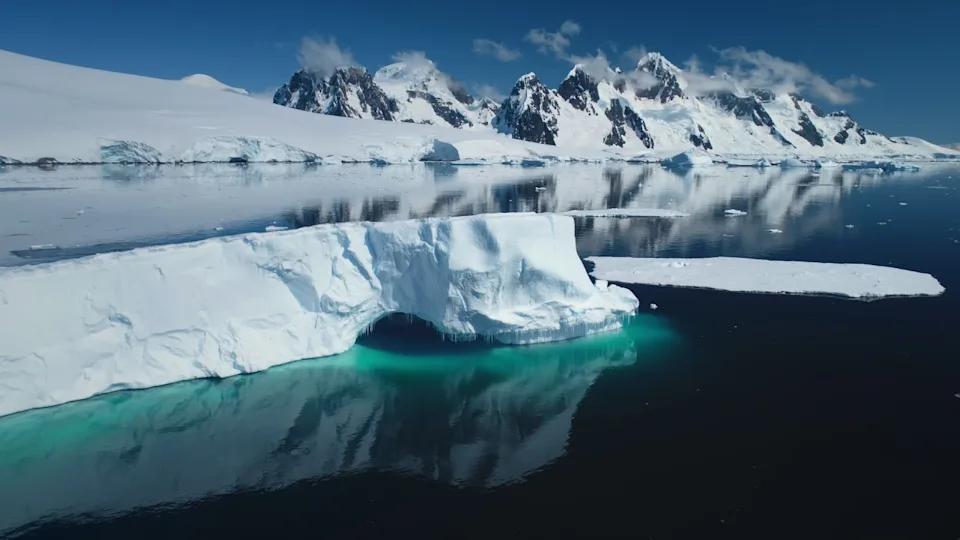
Image Credit: Shutterstock.
Antarctica is the final frontier, a continent of ice cathedrals, black-and-white peaks, and waters patrolled by penguins and whales. Even this frozen stronghold is unraveling. Ice shelves collapse in sheets the size of cities, and temperatures once deemed impossible now appear in seasonal forecasts. Scientists who once spoke cautiously now speak urgently: the change is visible, measurable, and accelerating.
For travelers, arriving here feels like stepping into a universe without noise. The stillness is almost holy: glaciers creak like ancient door hinges, seals nap undisturbed on floes, and blue-white ice refracts light so intensely it feels unreal. Expedition guides now blend awe with explanation, pointing not just at beauty, but at timelines, temperature charts, and loss.
Antarctica still overwhelms the senses. It is vast, quiet, luminous, a world made of crystal and wind. But visitors today understand what earlier travelers didn’t: this isn’t just a destination, but a disappearing document of Earth’s cold memory.
The Amazon Rainforest
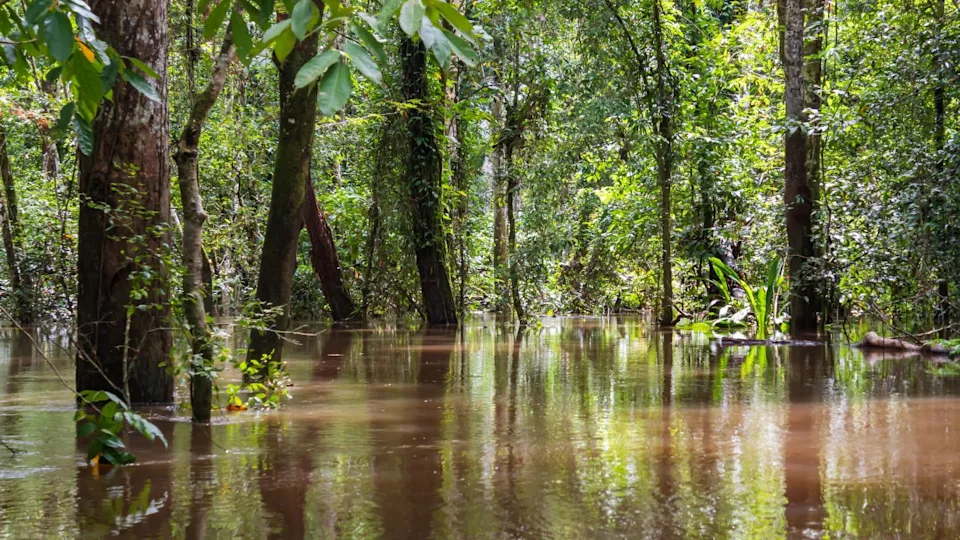
Image Credit:Shutterstock.
The Amazon, Earth’s lungs, is losing breath. Fires, development, and climate shifts are shrinking a rainforest critical not just to the region, but to the entire planet. Yet step inside it, and you still find life so abundant it feels impossible: neon frogs, giant water lilies, howler monkeys calling from treetops, and air wet with fertile green scent.
Eco-lodges now serve not just as places to sleep, but as educational camps. Local guides, Indigenous experts, biologists, conservationists, tell stories not just of beauty, but of survival. Travelers witness replanting efforts, canopy restoration, and wildlife sanctuaries working to slow a crisis that can’t be reversed, only resisted.
The Amazon remains electric with sound and soul, a web of life so interlinked it feels sacred. But stepping beneath its canopy today is to witness a titan holding on, leafy arm by leafy arm.
The Outer Banks, USA
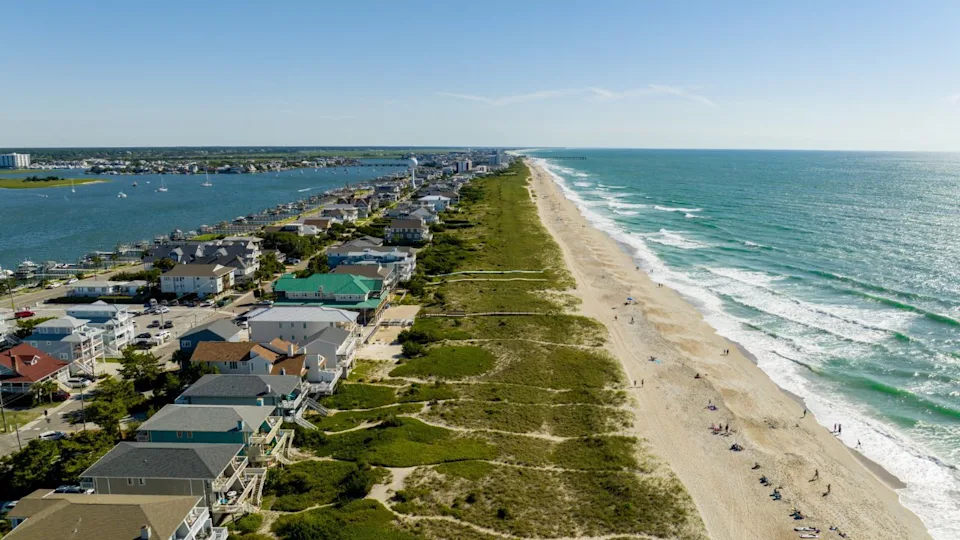
Image Credit : Shutterstock.
North Carolina’s Outer Banks have always felt untamed, barrier islands built of wind, salt, and shifting sand. But rising seas and intensified storms are now reshaping coastlines faster than dunes can rebuild. Roads buckle, beachfront homes sink into surf, and sections of beach vanish overnight.
Still, the Banks remain hypnotic. Wild horses roam dunes like creatures lifted from myth, lighthouses guard the horizon, and the Atlantic rolls in with relentless, mesmerizing rhythm. Off-season visits now feel like true discovery, empty beaches, hauntingly quiet piers, and skies stretched wide with winter clarity.
Travelers who visit today fall in love with that rawness. But they also see signs, literal and metaphorical, of fragility: dune fences, restoration crews, elevated homes. The Outer Banks remain wild, unforgettable, but increasingly temporary.
The Seychelles
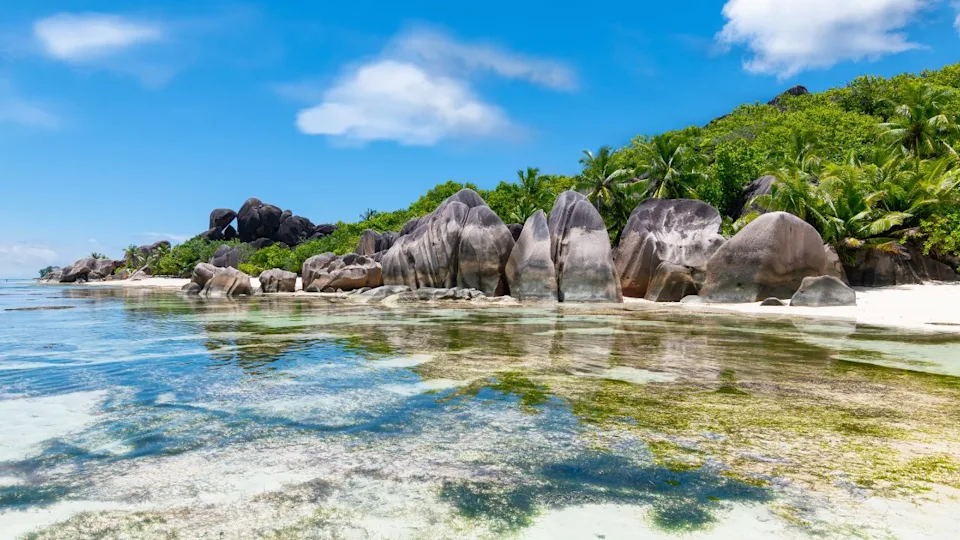
Image Credit:Shutterstock.
The Seychelles still look like nature airbrushed itself: granite boulders carved like sculpture, coco-palm forests, and water clearer than memory. Coral bleaching, however, has stripped sections of reef of their neon life, altering ecosystems that once defined the archipelago’s magic. Beaches remain immaculate, but warmer seas have changed what lies beneath their shimmer.
Marine sanctuaries now operate like emergency rooms, reviving coral, relocating turtles, and restoring mangroves. Travelers snorkel not just for pleasure, but for perspective, seeing bleached coral forests beside newborn plantings designed to survive rising heat.
Above water, Seychelles remains paradise incarnate. But the paradise is working, breath by breath, tide by tide, to protect itself.
Kilimanjaro, Tanzania
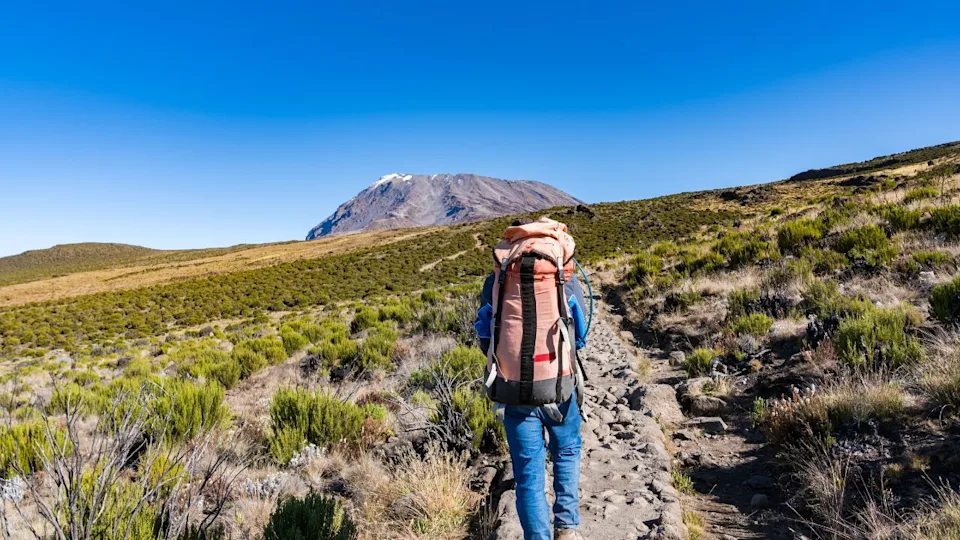
Image Credit:Shutterstock.
Kilimanjaro’s snowcap, Hemingway’s “House of God,” is melting away. The iconic white crown that once defined the mountain’s silhouette has shrunk dramatically, leaving patches of bare volcanic rock where ice once glowed. Scientists now warn that the summit may lose its snow entirely within our lifetime.
Climbers who ascend today still pass through enchanted zones: rainforest dripping with orchids, moorlands filled with giant groundsel, and alpine desert stark as the moon. But the summit, once cloaked in timeless snow, now feels more like a witness than a landmark, watching its own decline.
To stand at Uhuru Peak is still triumphant, still spiritual, still cinematic. But the moment lands differently now. You are not just conquering altitude, you’re confronting impermanence.