

Ask almost anyone who lives in a famous city where they’d never take a visiting friend for dinner. You’ll usually get a short list, and it tends to include the most photographed spots in town. The pattern is consistent from Rome to Bangkok.
Most of these places aren’t worthless. Many are worth a quick look, but not worth your money or your whole afternoon. Here are ten where the gap between the postcard and the experience is widest, with the reasons residents and recent reporting give for it.
1. Trevi Fountain, Rome
1. Trevi Fountain, Rome (Image Credits: Unsplash)
The fountain draws roughly thirty thousand people on an ordinary day. Peak days reach seventy thousand, and the total tops nine million visitors a year, according to the city government.[1] At those numbers, a quiet coin toss is mostly a myth.
Advertisement
Advertisement
Rome responded with a fee. Tourists hoping to get close to the fountain had to pay two euros starting February 2, 2026.[2] Viewing the fountain from the piazza is still free at any time.[3] Residents of Rome and its metropolitan area are exempt.[4] One tour operator also points out that anything priced above two euros for Trevi entry alone is a resale markup.[5]
2. Times Square, New York City
2. Times Square, New York City (Image Credits: Unsplash)
Times Square is dazzling, and plenty of New Yorkers will only pass through for a Broadway show. One roundup of the city’s worst tourist traps says most locals avoid the area unless they’re catching a show.[6] The usual complaints are the same year after year.
The costumed characters are the best known. They aren’t an official city attraction. They’re freelance street performers who hustle tourists for tips.[7] One guide says expected tips run from about five to twenty dollars or more once you’ve taken the photo.[8] Agree on a price first, or keep walking.
3. La Rambla, Barcelona
3. La Rambla, Barcelona (Image Credits: Unsplash)
La Rambla is one of the most famous boulevards in Europe. It connects Plaça de Catalunya to the Columbus monument.[9] One independent guide describes it as the street everyone visits and the one locals avoid for anything beyond passing through.[10]
Advertisement
Advertisement
The food is the main issue. A tout outside, giant photo menus, sangria and paella deals, or bright paella under heat lamps all signal a trap.[11] The same guide says the pickpocketing on La Rambla is done by organised groups, not random criminals.[10] A better plan is to eat in neighbourhood spots in Gràcia, Sant Antoni, or the backstreets of El Born.[11]
4. The Café Terraces of St Mark’s Square, Venice
4. The Café Terraces of St Mark’s Square, Venice (Image Credits: Unsplash)
Sitting down in Piazza San Marco is a different purchase from standing at a bar. One visitor at Caffè Florian found a seven euro music supplement on a seventy two euro bill, which already included thirty one euros for two croissants and thirty four for two Aperol Spritzes.[12] The café’s history is real, but so is the price tag.
A local price guide shows how big the gap is. Identical drinks can cost three euros fifty at a Cannaregio bacaro and twelve euros on a Piazza San Marco terrace.[13] Check the price list posted outside before you sit, or order at the bar for standard rates.[13] Prices are posted, so the shock is usually avoidable.
5. The Red Light District, Amsterdam
5. The Red Light District, Amsterdam (Image Credits: Unsplash)
De Wallen is a historic neighbourhood where people live and work, and the crowds in its narrow lanes have been a long running source of friction. Amsterdam moved against group tourism there. As I understand it, the city introduced a ban on guided tours through the area in 2025, with the aim of easing congestion and the treatment of sex workers.
Advertisement
Advertisement
Visitors still wander through, and many treat it as a sightseeing stop. Residents and sex workers have repeatedly asked tourists to stop photographing people and to behave as they would in any other neighbourhood. If you’re curious about the city’s story, the canal belt and the museums offer far more, and locals will happily tell you so.
6. Tuk Tuk Rides and Gem Shops, Bangkok
6. Tuk Tuk Rides and Gem Shops, Bangkok (Image Credits: Unsplash)
The classic Bangkok scam starts with a friendly stranger or tuk tuk driver. You’re told the Grand Palace is closed today, then offered a very cheap ride to somewhere else. That somewhere usually turns out to be a gem or tailor shop that pays the driver a commission.
Thai tourism authorities and foreign embassies have warned about this pattern for years. The simplest defense is dull but reliable: walk to the official ticket counter yourself and check opening hours with a hotel or a trusted app. Use a metered taxi or ride hailing app, and agree on a fare before you get in any tuk tuk.
7. The Sacré Cœur Steps, Paris
7. The Sacré Cœur Steps, Paris (By Christophe.Finot, CC BY-SA 2.5)
The view from Montmartre is lovely, and the basilica is worth the climb. The steps, however, are a long standing spot for string bracelet sellers. They grab your wrist, tie a bracelet on, and then demand payment.
Advertisement
Advertisement
Paris police and tourism offices regularly warn about this and similar street scams, including petition clipboards near the Louvre and the Eiffel Tower. Keep your hands in your pockets and say a firm no. Then keep walking, because hesitating gives them an opening.
8. Jemaa el Fna, Marrakech
8. Jemaa el Fna, Marrakech (Image Credits: Unsplash)
Jemaa el Fna comes alive in the evening, with food stalls, musicians, and storytellers. It’s also where visitors most often report being surprised by a bill. Henna artists may start work on your hand before you’ve agreed anything, and snake charmers or monkey handlers expect payment for photos.
The rule locals suggest is simple. Settle the price before anything begins, and don’t hand over your hand or your phone first. The food stalls are best at a busy table where prices are displayed, and the surrounding souk lanes reward patience and polite bargaining.
9. The Giza Plateau Touts, Egypt
9. The Giza Plateau Touts, Egypt (Image Credits: Unsplash)
The Pyramids of Giza are as impressive as you’d hope. The trouble is the approach, where touts offer camel rides, horse rides, and special entrance deals that don’t exist. Rides are often quoted at one price and renegotiated once you’re on the animal.
Advertisement
Advertisement
The sensible approach is to buy tickets only at the official ticket office. If you want a ride, agree the full price, the duration, and the return in advance. A licensed guide arranged through your hotel is usually calmer than someone who walks up to you at the gate.
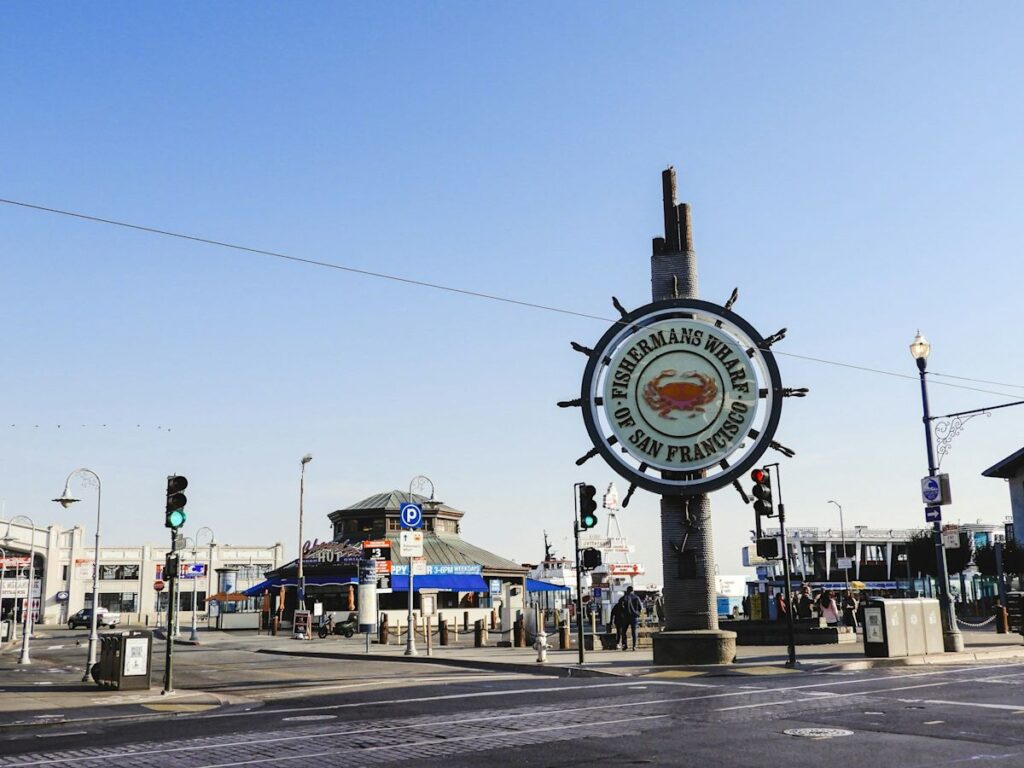
10. Fisherman’s Wharf and Pier 39, San Francisco
10. Fisherman’s Wharf and Pier 39, San Francisco (Image Credits: Unsplash)
Fisherman’s Wharf has genuine history, and the sea lions at Pier 39 are free to watch. Beyond that, the area is mostly souvenir shops, chain restaurants, and queues. San Franciscans generally head to the Ferry Building or the neighbourhood restaurants for a better meal.
Alcatraz is the other thing to handle carefully. Tickets are sold through the official ferry operator, and the island often sells out well ahead, which creates room for resellers. Book through the official channel early, and use the Wharf as a short stop between other plans.
Source link