


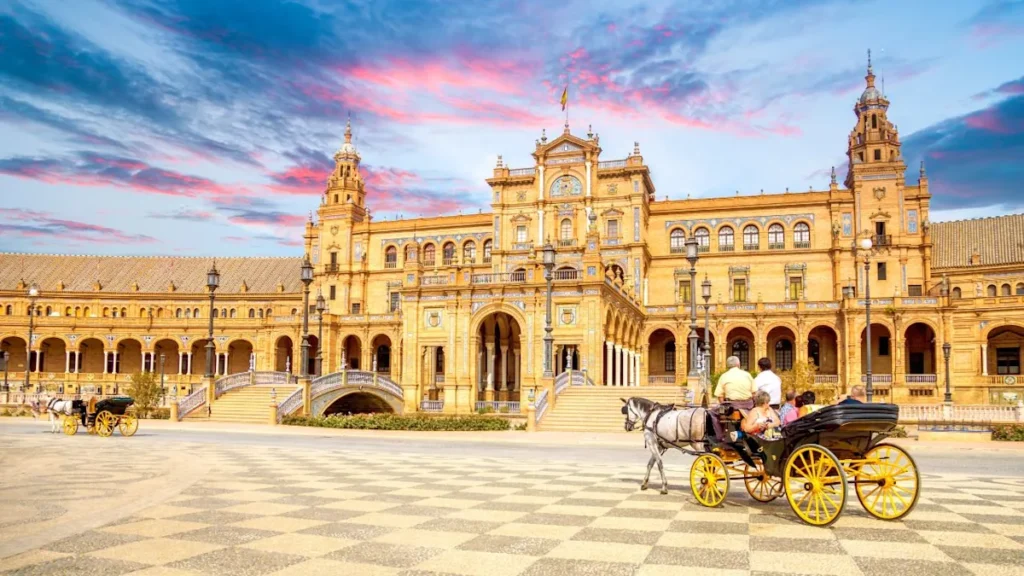
Spain is a country steeped in history, and few eras are as captivating as the Moorish period. Between the 8th and 15th centuries, Muslim rulers left an indelible mark on architecture, culture, and city planning, creating some of the most breathtaking sights in the country. Today, Spanish cities that once flourished under Moorish influence offer travelers a chance to wander ancient streets, marvel at intricate palaces, and experience a unique fusion of cultures.
The Moorish legacy in Spain is everywhere, from the ornate arches of the Alhambra to the labyrinthine streets of old medinas and fortified walls that have survived centuries. These cities are not just historical landmarks; they are living communities where history, tradition, and modern life intertwine seamlessly. Exploring them allows visitors to step back in time while enjoying the vibrancy of contemporary Spanish culture.
This guide highlights ten Spanish cities where the Moorish past comes alive. From the famous to the overlooked, each destination offers a mix of architectural splendor, cultural richness, and atmospheric streets that transport travelers to another era.
Granada


Image Credit:Shutterstock.
Granada is perhaps the crown jewel of Moorish Spain, home to the world-famous Alhambra. This fortress-palace complex showcases intricate Islamic architecture, lush gardens, and sweeping views of the Sierra Nevada mountains. Walking through the Alhambra is like stepping into a living history book, with every arch, tile, and courtyard telling a story of centuries-old craftsmanship and royal life.
The Albaicín neighborhood adds another layer of charm. Its narrow, winding streets, whitewashed houses, and hidden plazas reflect the city’s Moorish past and offer panoramic views of the Alhambra. Local tea houses serve traditional teterías, where visitors can sample mint tea and sweet pastries while soaking in the historic ambiance.
Granada’s culinary scene also retains Moorish influences. Dishes like almond-based desserts and spiced stews highlight the flavors introduced centuries ago, blending seamlessly with Andalusian Spanish cuisine. Even outside the main attractions, the city feels like a mosaic of history and culture waiting to be discovered.
Córdoba
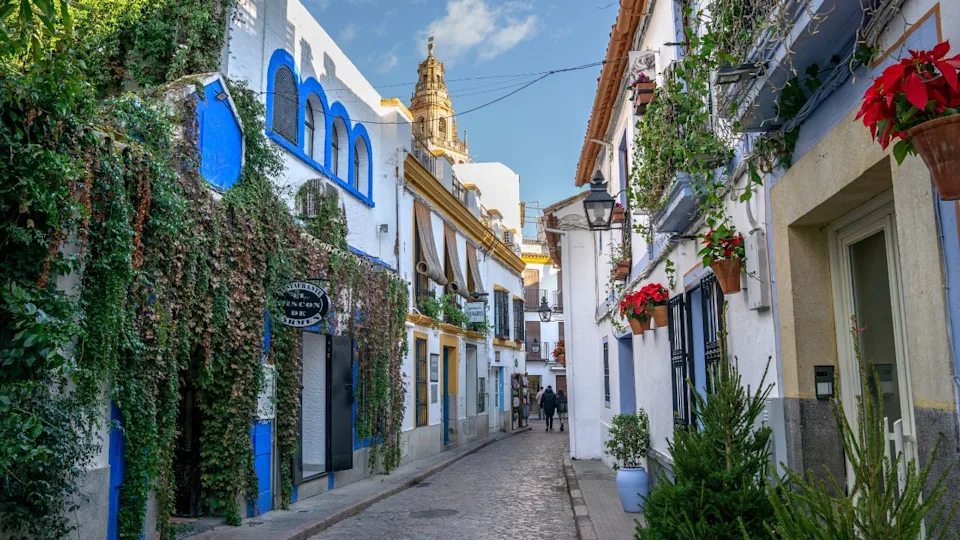
Image Credit: cktravels.com / Shutterstock.
Córdoba is synonymous with the stunning Mezquita, a mosque-cathedral that epitomizes Moorish architectural brilliance. Its forest of red-and-white arches, intricate mihrabs, and serene courtyards are awe-inspiring, offering visitors a rare glimpse into Spain’s Islamic heritage. Exploring the Mezquita is a journey through centuries of religious, cultural, and artistic history.
The Jewish Quarter complements Córdoba’s historical charm. Cobblestone streets, flower-filled patios, and hidden squares create an intimate, almost timeless atmosphere. Local artisans sell ceramics, leather goods, and traditional crafts that echo centuries of cultural fusion.
Córdoba’s cuisine reflects its rich past. Dishes like salmorejo, flamenquín, and various almond and orange-based desserts carry subtle Moorish influences. Dining in the city is an immersive experience, where each bite connects you to the flavors and traditions of the past.
Seville

Image Credit:Shutterstock.
Seville is a city where the Moorish legacy permeates every corner, most famously in the Alcázar. This royal palace complex dazzles with elaborate tilework, carved arches, and lush gardens that evoke the grandeur of Islamic Spain. Walking through the Alcázar, one can easily imagine life in a time when the city was a vibrant Moorish stronghold.
The Santa Cruz neighborhood adds to the enchantment. Its narrow alleys, charming plazas, and hidden fountains create a magical, almost storybook atmosphere. Local tapas bars and cafés allow visitors to taste Andalusian specialties, some of which retain subtle Moorish flavors, including the use of almonds, spices, and citrus fruits.
Seville’s festivals, such as Feria de Abril, showcase a mix of Moorish and Spanish cultural traditions. From flamenco performances to street celebrations, the city blends history with lively modern culture, making it an unforgettable destination.
Toledo
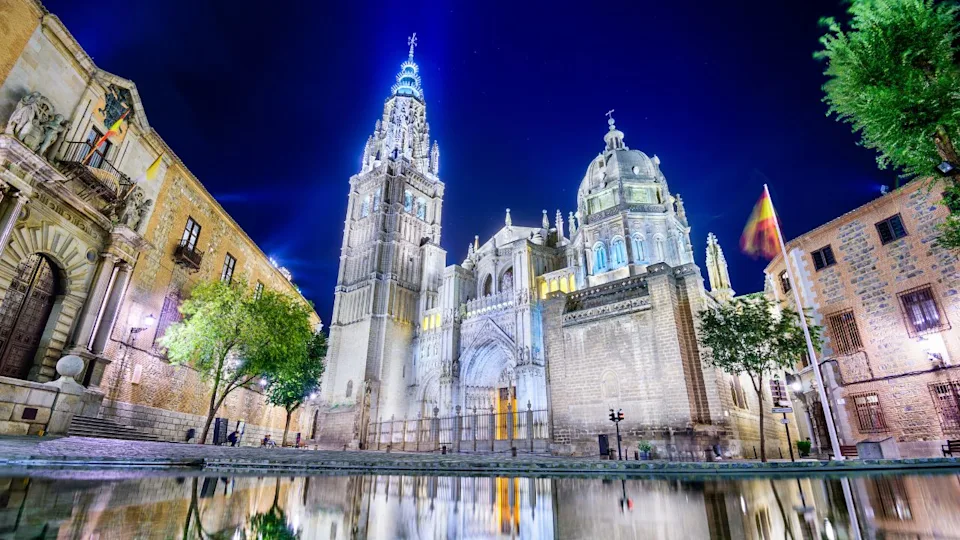
Image Credit:Shutterstock.
Toledo, perched dramatically above the Tagus River, was once a major center of Moorish administration. Its historic streets, fortified walls, and ancient bridges provide a perfect backdrop for exploring centuries-old Islamic architecture. Walking through the city feels like stepping back in time, with layers of history visible in its buildings and plazas.
The city’s Alcázar and remaining fortifications highlight Toledo’s strategic and cultural importance during the Moorish period. Narrow streets and hidden courtyards reveal intricate details of Islamic design, offering a quieter, more intimate experience compared to larger cities.
Toledo’s culinary traditions also reflect its multicultural past. Spiced stews, almond-based sweets, and locally produced olive oils showcase flavors that have endured through generations. The city’s blend of history, architecture, and cuisine makes it a must-visit for anyone interested in Moorish Spain.
Málaga

Image Credit: Shutterstock.
Málaga, a coastal city in Andalusia, combines sun-soaked beaches with a rich Moorish heritage. The Alcazaba fortress, perched on a hill overlooking the city, offers stunning architecture, gardens, and views of the Mediterranean. Walking through its arches and terraces gives visitors a sense of the city’s strategic and cultural significance during the Moorish era.
The Gibralfaro Castle nearby adds to Málaga’s historical panorama, providing elevated perspectives of the city and coastline. Exploring both sites offers insight into military architecture and city planning introduced by the Moors.
Málaga’s gastronomy blends Moorish spices with Mediterranean freshness. Local markets and tapas bars serve dishes infused with almonds, saffron, and citrus, reflecting the city’s layered history. Combined with its coastal charm, Málaga offers a perfect balance of history, culture, and leisure.
Ronda
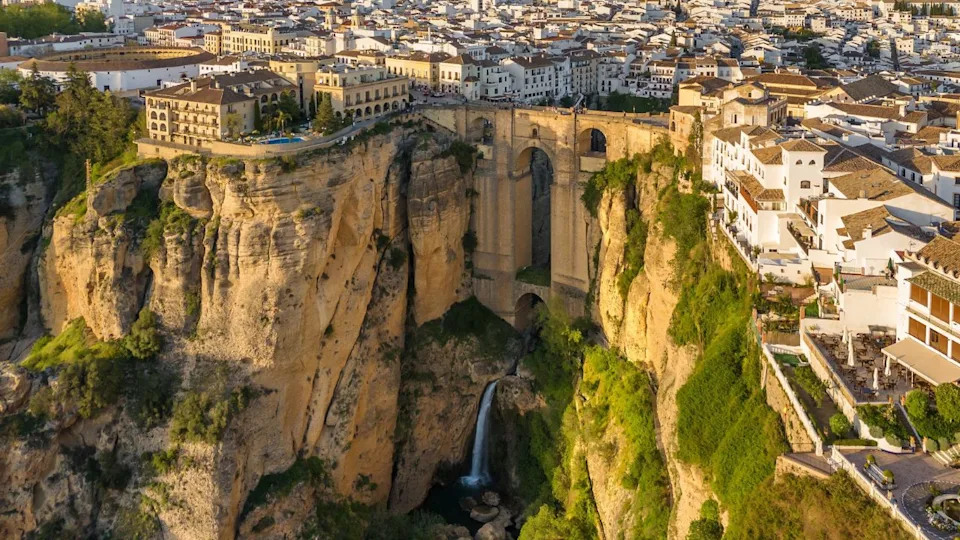
Image Credit: Shutterstock.
Ronda is famous for its dramatic gorge, but its Moorish past is equally compelling. The city’s old quarter, with narrow streets and whitewashed houses, shows clear Islamic influences in design and layout. The Puente Nuevo bridge spans the gorge, providing breathtaking views and a striking backdrop for exploring historic neighborhoods.
The Arab Baths, remarkably preserved, offer a glimpse into the daily life of Ronda’s Moorish inhabitants. Their architecture and design reflect centuries of cultural sophistication, highlighting the blend of practicality and artistry typical of Islamic Spain.
Ronda’s local cuisine also carries Moorish echoes. Spiced lamb dishes, almond desserts, and citrus-infused treats connect modern diners with centuries-old culinary traditions. The combination of natural beauty and historical depth makes Ronda a captivating destination.
Mérida
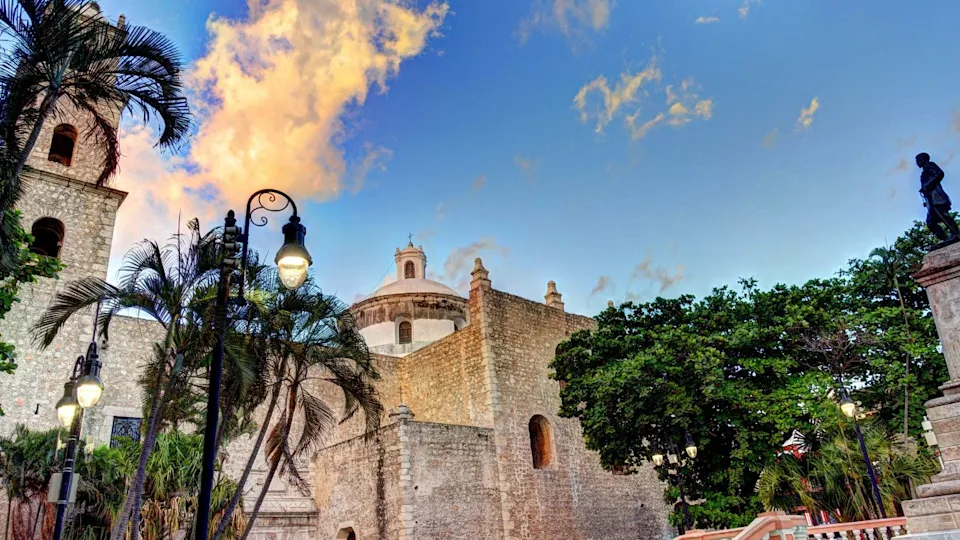
Image Credit:Shutterstock.
Mérida, in Extremadura, is more commonly known for its Roman ruins, but its Moorish past adds layers of intrigue. The Alcazaba fortress, built during the Islamic period, overlooks the Guadiana River and offers panoramic views of the city. Walking through its walls provides a sense of the city’s historical importance as a military and administrative center.
The city’s streets and neighborhoods still reflect Moorish planning, with narrow alleys, hidden courtyards, and ornamental gates. Visiting local markets or traditional cafés allows travelers to experience flavors and practices introduced during centuries of Islamic influence.
Mérida’s cultural life is accessible and immersive. Festivals, historical reenactments, and guided tours showcase both Roman and Moorish legacies, creating a layered understanding of the city’s rich past. The city is perfect for travelers who want a quieter, authentic Moorish experience.
Cádiz

Image Credit: Shutterstock.
Cádiz, a coastal Andalusian city, blends maritime charm with a Moorish past that dates back centuries. Its old town, with narrow streets, colorful buildings, and historic plazas, reflects urban planning influenced by Islamic principles. The city’s fortifications and watchtowers provide insight into its strategic importance during the Moorish era.
Local markets and eateries showcase flavors with Moorish roots, including almond desserts, spiced pastries, and savory dishes incorporating Mediterranean and Islamic influences. Sampling street food or enjoying a café by the plaza allows travelers to experience this culinary fusion firsthand.
Cádiz’s coastal location adds another dimension. Walking along the beach or exploring the old port combines history with natural beauty, making it a unique destination where Moorish architecture meets sun, sand, and sea.
Almería
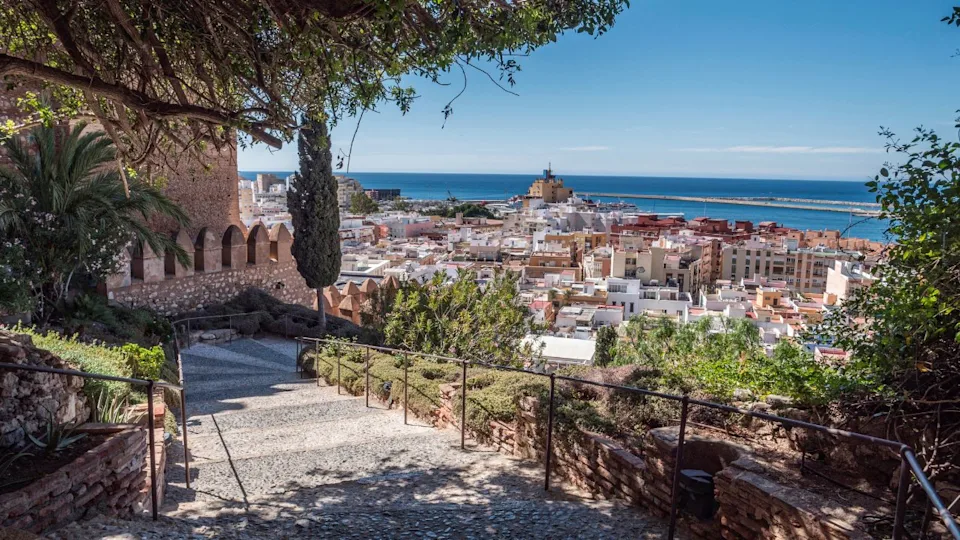
Image Credit: Shutterstock.
Almería, located on Spain’s southeastern coast, boasts a desert landscape that contrasts with lush Andalusian cities but holds a rich Moorish legacy. The Alcazaba of Almería, a vast hilltop fortress, offers sweeping views and an immersive historical experience. Its walls, towers, and courtyards showcase military architecture and design principles introduced by the Moors.
The old town retains Islamic influences in its narrow streets, whitewashed houses, and decorative elements. Exploring these neighborhoods reveals centuries of cultural layering, where modern life seamlessly integrates with historical architecture.
Almería’s gastronomy is shaped by its past and coastal geography. Fresh seafood, spiced stews, and local pastries incorporate flavors and techniques introduced by Islamic rulers, giving visitors a taste of history alongside modern Andalusian cuisine.
Écija
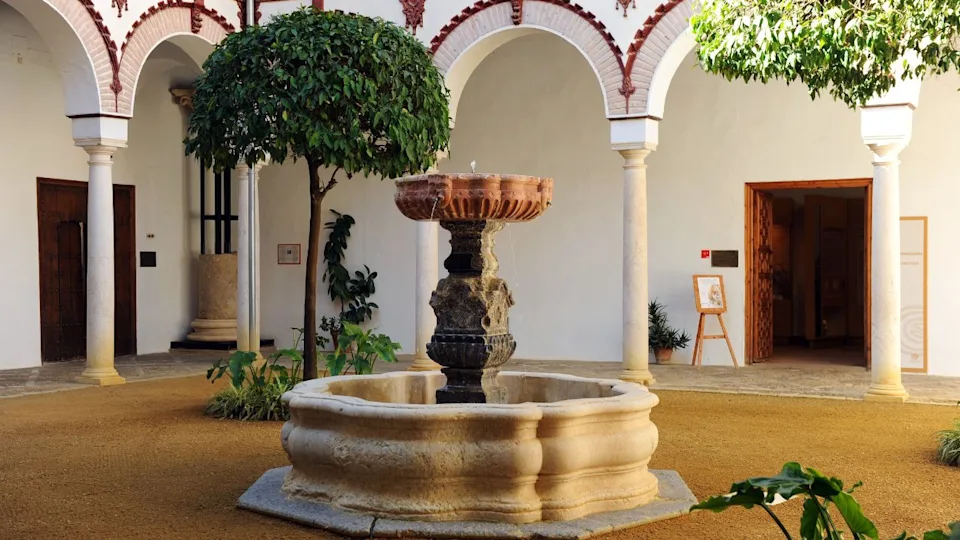
Image Credit : Shutterstock.
Écija, often called the “City of Towers,” is a hidden gem in Andalusia where Moorish history comes alive. Its skyline is punctuated by bell towers that echo the minarets of its Islamic past, while the city’s streets wind through historic neighborhoods showcasing Andalusian-Moorish architecture. Walking through Écija’s plazas and narrow alleys feels like stepping back in time, with centuries of culture preserved in its buildings and urban layout.
The Alcázar de Écija, though partially in ruins, offers insight into the city’s strategic importance during Moorish rule. Its fortified walls, courtyards, and surrounding gardens reflect Islamic military and residential architecture, providing a rich historical backdrop for exploration. Visitors can wander the old town freely, discovering hidden fountains, arches, and decorative details that tell the story of centuries past.
Écija’s culinary scene carries Moorish influences, with traditional dishes featuring almonds, spices, and olive oil. Markets and small taverns serve affordable local specialties, from stews and pastries to refreshing citrus-infused desserts. Combined with its historic charm and peaceful atmosphere, Écija offers travelers an authentic and affordable glimpse into Spain’s Moorish legacy.