


The French Riviera may have the name recognition, the celebrities, and the glamorous legacy, but it also has the crowds, the inflated prices, and the growing sense that the coastline is more of a luxury showroom than a living destination. What many travelers don’t realize is that Europe is overflowing with equally stunning coastal towns that offer everything travelers love about the Riviera: clear turquoise waters, historic charm, exquisite seafood, and breathtaking views.
The difference? These places let you enjoy all of that without paying triple the price or fighting through tourist clusters with every step. These shores feel intimate, genuine, and refreshingly unpolished in the best possible way.
Beyond affordability, what truly sets these underrated coastal towns apart is how much more real they feel. The French Riviera is gorgeous, yes, but it’s also built around performance, luxury yachts, curated beach clubs, and a pace that sometimes feels more like a runway than a vacation.
Meanwhile, Europe’s lesser-known coastal gems still revolve around everyday life: fishermen fixing their nets at dawn, families gathering in local taverns, and sunsets unspoiled by walls of sun loungers. These towns remind you that coastal beauty doesn’t need a spotlight to be extraordinary. It just needs space, authenticity, and a traveler willing to go beyond the obvious.
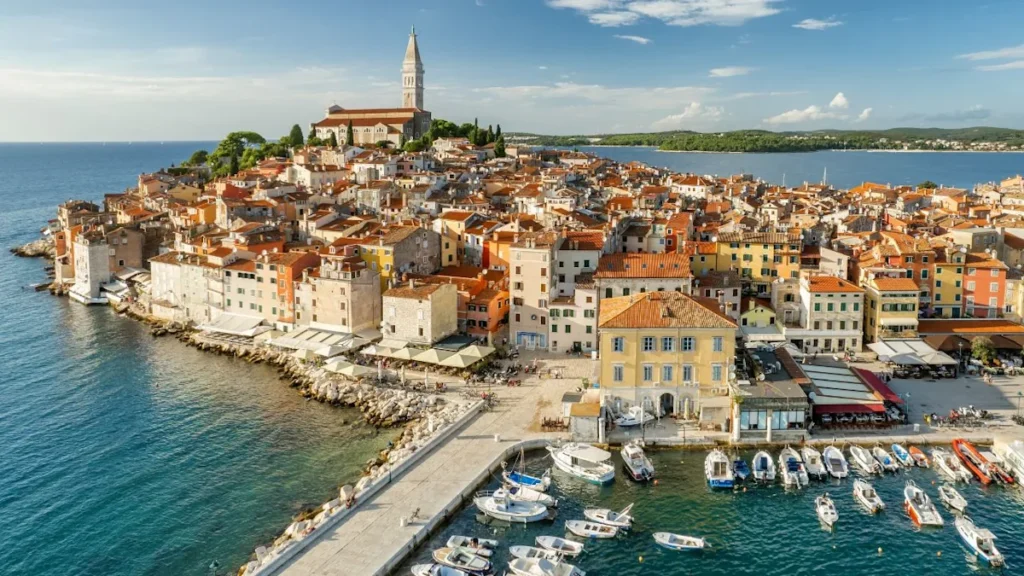
Rovinj, Croatia

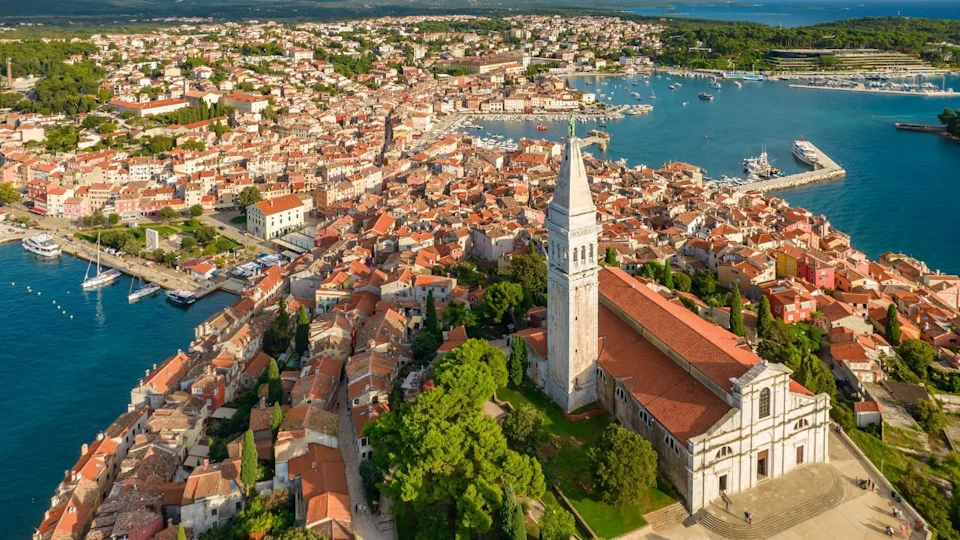
Image Credit: Shutterstock.
Rovinj often feels like a dreamscape, a peninsula covered in pastel houses stacked above the sea, crowned by a hilltop church whose bell tower watches over the town like a lighthouse. In the early mornings, the narrow cobblestone alleys echo with nothing but footsteps and the distant hum of fishing boats returning from the Adriatic.
The Old Town, with its Venetian architecture and weathered stone staircases, is a maze that invites slow wandering rather than red-carpet strutting. Rovinj offers all the romance of the Riviera without the pretentious price tag.
One of the town’s greatest strengths is its access to raw, untouched nature. Unlike the manicured beaches of the Riviera, Rovinj’s coastline is a mix of rocky coves, pine forests, and crystal-clear waters begging for a spontaneous swim.
You can rent a bike and spend hours exploring the Golden Cape Forest Park, where shaded trails lead to hidden swimming spots and peaceful cliffs overlooking the sea. Even in summer, you can find stretches of coastline where you’ll hear nothing but cicadas and the soft splash of waves, a luxury that’s nearly impossible in the Riviera’s busiest resorts.
Culinarily, Rovinj holds its own against any coastal destination. Fresh truffles, seafood straight from the boat, and local wines create a dining scene that feels indulgent without being overpriced. Outdoor restaurants overlook harbors dotted with small boats rather than mega-yachts, creating an atmosphere that’s elegant yet grounded. Travelers often say Rovinj gives them the beauty and charm they expect from the Riviera, but with double the warmth and half the cost, and they’re right.
Cefalù, Sicily, Italy
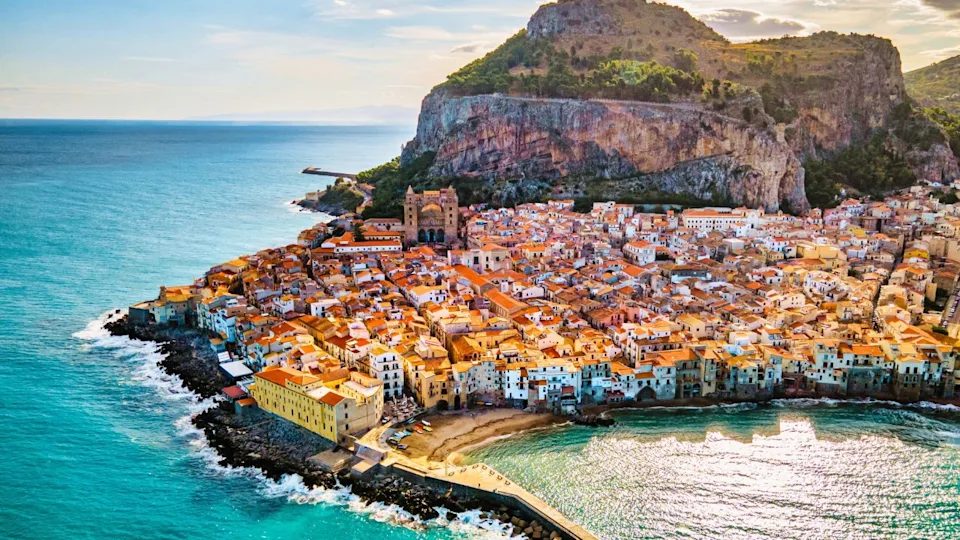
Image Credit: Shutterstock.
Perched on the northern coast of Sicily, Cefalù feels like stepping into a postcard untouched by modern tourism. The town’s narrow medieval streets, ornate Norman cathedral, and pebble-strewn beaches create a stunning combination of history and natural beauty. Unlike the French Riviera’s crowded shores, Cefalù allows travelers to stroll along the waterfront at sunrise, enjoying quiet waves and golden sand almost entirely to themselves.
Cefalù’s dramatic cliffs, which rise sharply from the turquoise sea, offer breathtaking views for those willing to climb La Rocca, the massive limestone outcrop dominating the skyline. From there, panoramic vistas of the town, surrounding countryside, and endless coastline reward the effort. The sense of discovery is amplified by the absence of hoards of tourists; each corner of the town feels like a secret waiting to be explored.
The town also shines in its culinary offerings. Local trattorias serve fresh seafood pasta, Sicilian pastries, and wines that rival anything on the mainland, all without the Riviera’s inflated prices. Whether enjoying a casual lunch in the piazza or an evening stroll along the moonlit coast, Cefalù proves that authentic charm and dramatic beauty can exist without luxury branding or crowds.
Cadaqués, Spain
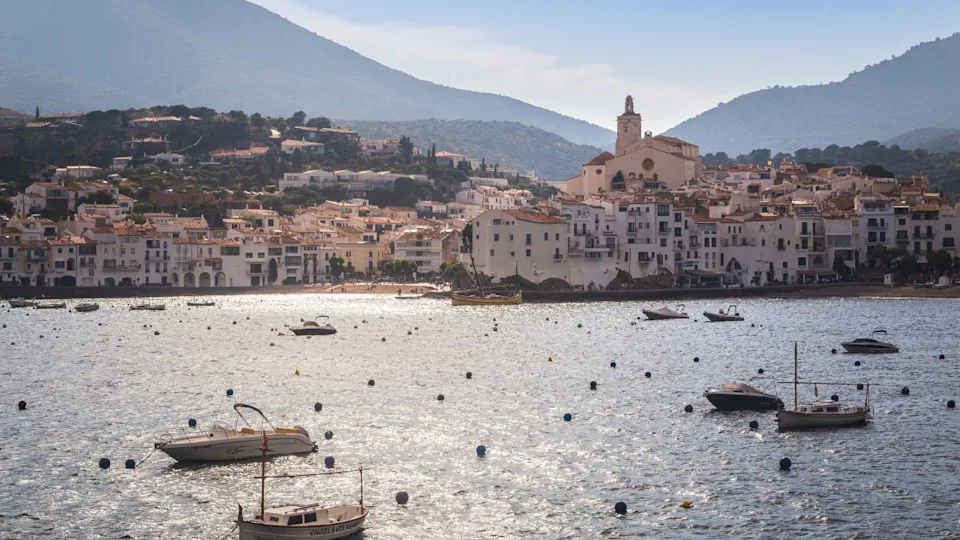
Image Credit: Shutterstock.
Nestled on the Costa Brava, Cadaqués is famous for its association with Salvador Dalí, but its charm goes far beyond artistic history. Whitewashed houses cluster along winding streets that slope toward the Mediterranean, giving visitors a sense of intimacy and discovery that’s impossible in Cannes or Nice. Small fishing boats bob gently in the harbor, creating an idyllic scene that feels like a living painting.
Unlike the Riviera, Cadaqués retains a relaxed, bohemian rhythm. Cafés spill onto cobblestone streets, locals sell fresh seafood directly from their boats, and hidden coves invite swimmers to experience the sea without fighting for space. The cliffs and rugged coastline provide dramatic hiking opportunities that reveal hidden beaches and turquoise inlets, often with no one else in sight.
Even in summer, Cadaqués never feels overcrowded, thanks to its relative remoteness. The town’s restaurants prioritize local ingredients and traditional recipes, making dining here as authentic as it is delicious. Travelers leave with a sense of having discovered a gem, a coastal town that captures Mediterranean beauty without the performative glamour of the Riviera.
Kotor, Montenegro
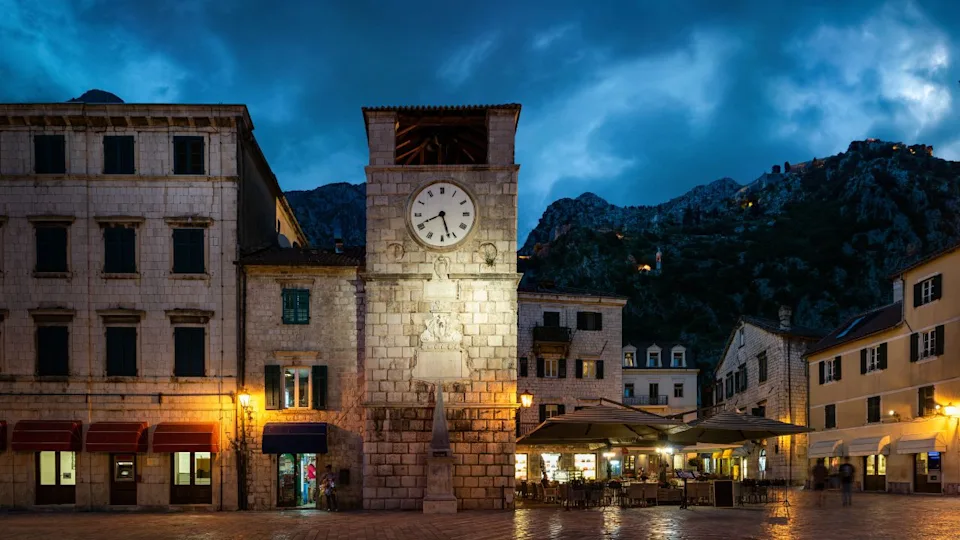
Image Credit:Shutterstock.
Kotor is a fortified town tucked into a fjord-like bay along Montenegro’s Adriatic coast. Its medieval walls rise dramatically from the water, enclosing red-tiled rooftops and narrow alleyways. While the French Riviera can feel artificial and overly curated, Kotor exudes authenticity: fishing boats, cats wandering ancient streets, and centuries-old architecture remain unspoiled by mass tourism.
The Bay of Kotor offers some of Europe’s most dramatic coastal scenery. Rugged mountains plunge into calm, reflective waters, and winding roads along the cliffs reveal hidden villages and quiet bays. Hiking up to the fortress provides panoramic views that feel almost unreal, with tourists being sparse even in summer compared to the Riviera hotspots.
Kotor also surprises with its food and culture. Small family-owned restaurants serve fresh seafood, local cheeses, and wines that are both affordable and extraordinary. The slow pace, historic setting, and intimate harbor make it an experience that’s immersive and memorable, a coastal escape that rivals the glamour of France’s southern beaches but delivers it in a far more authentic package.
Hvar, Croatia
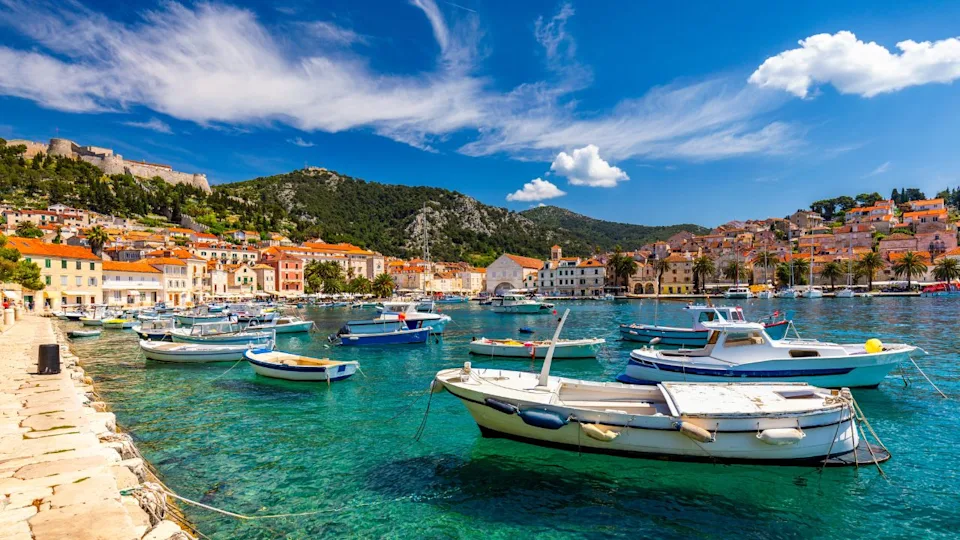
Image Credit : Shutterstock.
Hvar is known for its lavender fields and historic town squares, but it often gets overshadowed by nearby Dubrovnik in tourist itineraries. Unlike the French Riviera, Hvar’s charm lies in its balance between lively towns and secluded beaches. Early mornings in Hvar Town are quiet enough to watch fishermen unload their catch, while afternoons can be spent sailing to untouched coves away from crowds.
The island’s topography also enhances its appeal. Rolling hills, vineyards, and dramatic cliffs create diverse landscapes within short distances, allowing travelers to hike, swim, and explore without feeling rushed. Even the most famous beaches, like Dubovica, often remain surprisingly uncrowded during off-peak hours.
Hvar’s dining and nightlife complement its natural beauty. From rustic seaside tavernas to sophisticated wine bars, the island offers experiences for all tastes without the constant hustle of the Riviera. The combination of crystal-clear waters, historic charm, and authentic island life makes Hvar a destination that rivals, and in some ways surpasses, the French coast.
Portovenere, Italy
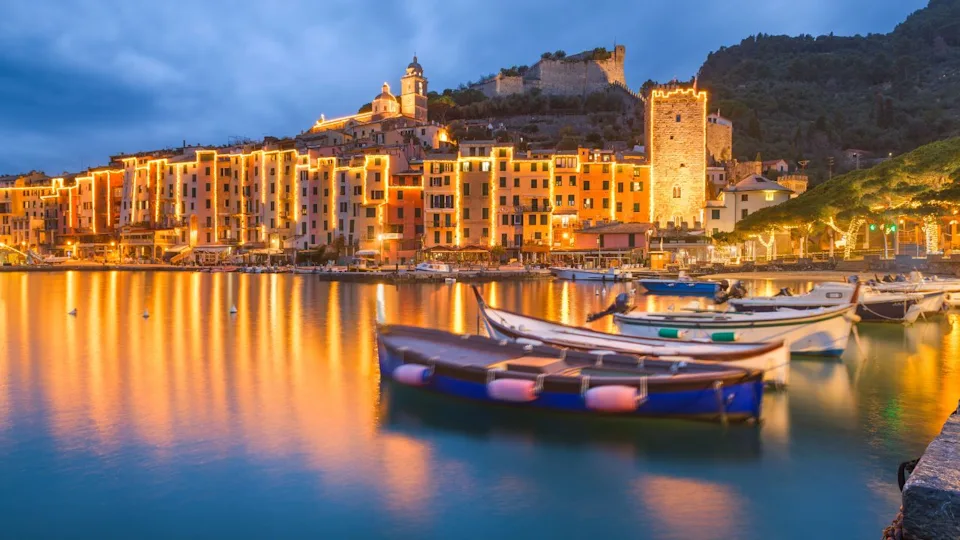
Image Credit : Shutterstock.
Located on the Ligurian coast, Portovenere is a colorful town at the edge of a dramatic peninsula. Its pastel houses cascade toward the sea, and the harbor is framed by ancient churches and castle ruins. Unlike the Riviera, where luxury yachts dominate every photo, Portovenere feels more intimate: local fishermen, quiet piazzas, and waves lapping gently against the shore set the pace.
Hiking trails connect Portovenere with the famous Cinque Terre villages, offering sweeping views of the rugged coastline. Unlike Cinque Terre’s crowded peaks, these trails often provide solitude and an immersive experience of nature and history. Lighthouses, rocky beaches, and hidden caves reward those who take the time to explore.
Culinary delights abound as well. Seafood is fresh, local, and unpretentious, often caught the same day. Dining overlooks the harbor, with no need for extravagant prices or Michelin-starred façades to make the experience memorable. The town’s balance of natural beauty, history, and local life makes it a coastal gem far removed from the Riviera’s polished image.
Lagos, Portugal
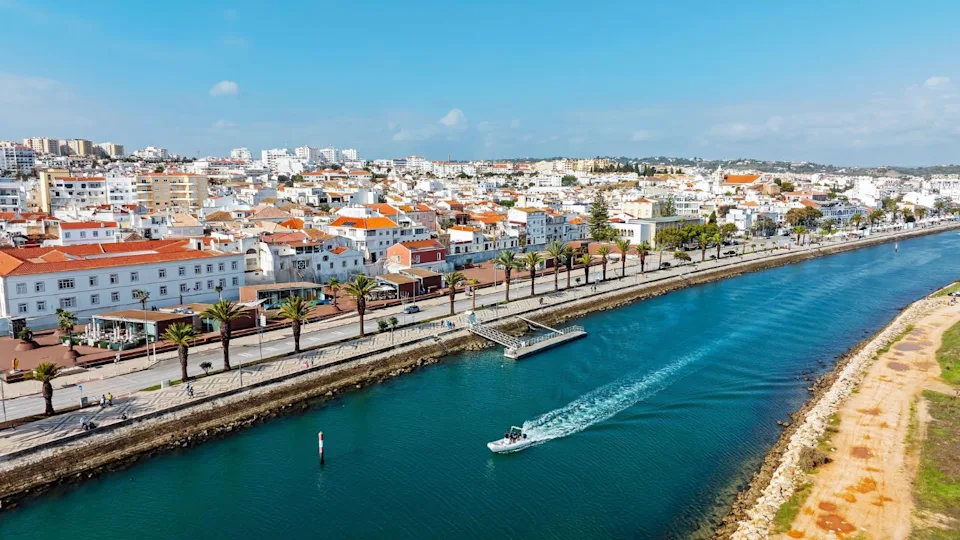
Image Credit;Shutterstock.
Lagos, in Portugal’s Algarve region, is a combination of golden cliffs, hidden beaches, and a historic town center. Unlike Cannes or Saint-Tropez, Lagos feels vibrant without being staged. Streets are lined with traditional cafés and colorful buildings, and the coastline is dotted with sea caves and dramatic rock formations that are perfect for kayaking and photography.
The Ponta da Piedade cliffs offer one of the most breathtaking coastal views in Europe. Walking along the trails, you’ll find secluded beaches below and panoramic vistas above, all without large crowds dominating the scenery. The Atlantic’s power adds a sense of drama that the calm Mediterranean Riviera rarely provides.
Local gastronomy in Lagos is a highlight. Fresh grilled fish, octopus salads, and artisanal pastries reflect the region’s rich culinary heritage. With affordable accommodations and a relaxed atmosphere, Lagos delivers stunning coastlines and authentic charm, proving that Portugal can compete with, and often surpass, the glitz of the French Riviera.
Piran, Slovenia
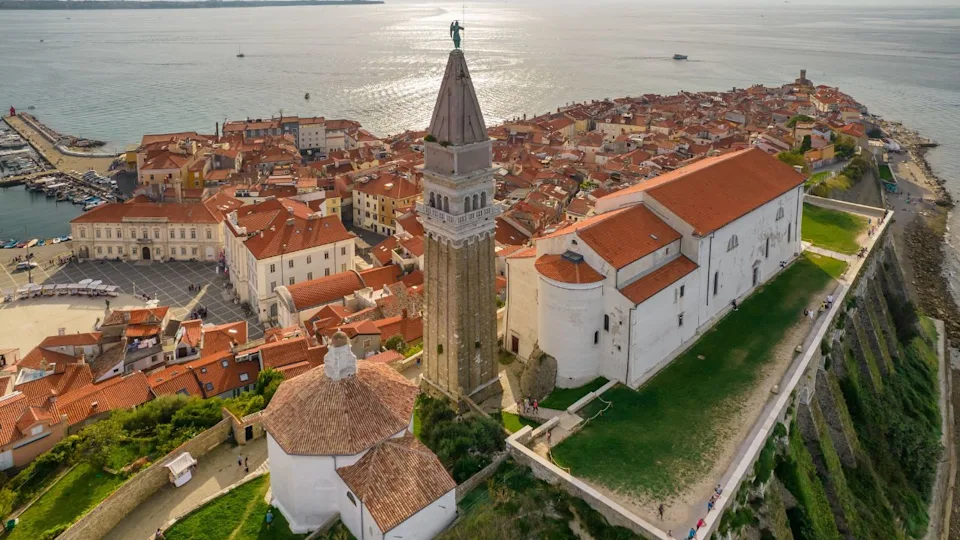
Image Credit: Shutterstock.
Piran is a compact Adriatic gem with Venetian architecture, cobblestone streets, and a lively central square. While it’s small, its charm is immense: the bell tower offers panoramic views, the waterfront café culture is delightful, and the local salt pans connect visitors with centuries of maritime tradition. Unlike the Riviera, Piran retains a quaint authenticity where locals are present and streets aren’t overrun by luxury tourists.
The town’s intimate scale makes exploration effortless. Every corner reveals hidden stairways, frescoed façades, and quiet piazzas that feel like private discoveries. Its proximity to both Italy and Croatia allows visitors to enjoy a mix of cultures, flavors, and architectural styles without the crowds that dominate southern France.
Seafood here is exquisite and reasonably priced. Restaurants specialize in fresh catch, olive oil, and local wines, creating a dining experience that is genuine rather than performative. Piran’s combination of history, coastal beauty, and local life offers a peaceful, elegant alternative to the Riviera’s flashier destinations.
Sitges, Spain
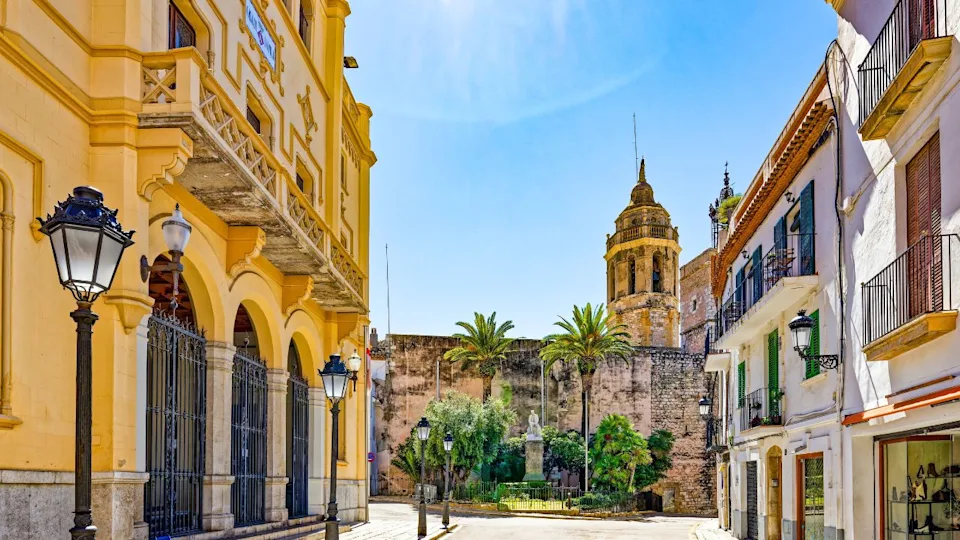
Image Credit : Shutterstock.
Just a short train ride from Barcelona, Sitges is a beach town that has retained charm and personality despite growing popularity. Its promenade, lined with palms and cafes, is wide enough to stroll without bumping into crowds. Beaches are clean and uncrowded outside peak hours, while the town’s art deco architecture and lively streets give it character that the Riviera’s monotony often lacks.
Sitges also offers cultural depth. Festivals, galleries, and historic sites interweave with daily life, creating a dynamic yet relaxed atmosphere. Walking through its alleys, you’ll find local shops, tapas bars, and quiet squares that allow for spontaneous exploration without feeling like a tourist trap.
The culinary scene is outstanding. Paella, fresh seafood, and local wines are served in settings ranging from casual seaside eateries to charming indoor restaurants. Sitges combines the Mediterranean beauty of the French Riviera with a more relaxed, authentic vibe, making it a coastal town worth prioritizing over its more famous neighbor.
Collioure, France
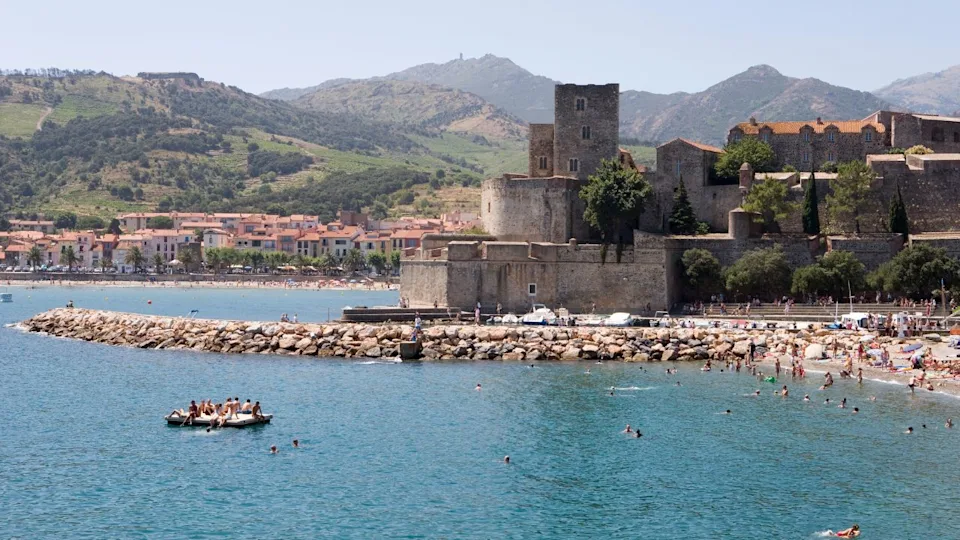
Image Credit: Shutterstock.
Even within France, there’s an alternative to the Riviera: Collioure, a small town on the southern coast near the Spanish border. Its colorful harbor houses, cobblestone streets, and historic fortifications create a picturesque scene without the crowds and inflated prices of Nice or Cannes. Walking through the town, you feel a connection to daily life rather than staged tourism.
The surrounding landscapes are stunning. Hills rise behind the town, offering panoramic views over the Mediterranean, while nearby beaches provide calm swimming areas and hidden coves. Hiking, cycling, and exploring art galleries all feel peaceful and personal, a stark contrast to the busy French Riviera hotspots.
Culinary offerings in Collioure are equally impressive. Fresh seafood, local wines, and Mediterranean flavors dominate menus, often served with a view of the harbor. It’s a town that perfectly balances beauty, history, and authenticity, proof that even in France, you don’t need the Riviera to experience world-class coastal charm.