
Europe doesn’t run on one throne or one title. Power here is layered — spread across national leaders, EU institutions, economic gatekeepers, and figures whose influence is felt even from outside the bloc. That’s why POLITICO’s annual power ranking isn’t about popularity or election wins, but about who actually moves the pieces.
Based on wider political, economic, and institutional context, here is the most accurate picture of who holds real power in Europe — and why.
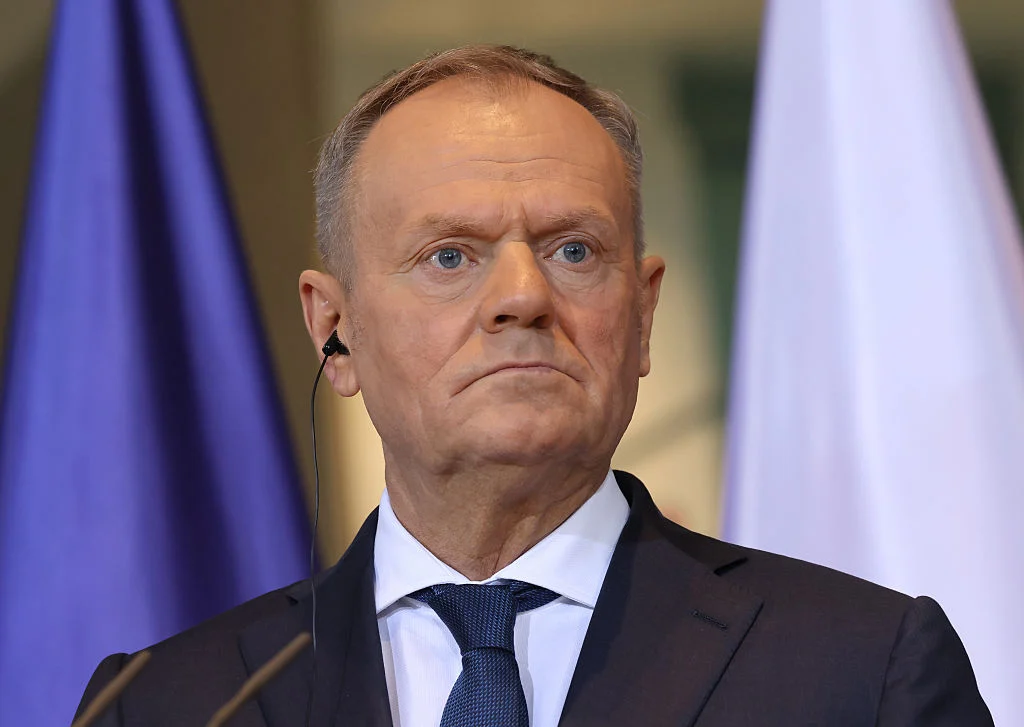
1. Giorgia Meloni
Prime Minister of Italy
POLITICO’s choice for the most powerful person in Europe isn’t a Brussels bureaucrat or a traditional heavyweight like Germany or France — it’s Italy’s prime minister. Meloni has achieved something few leaders manage: becoming simultaneously acceptable to Brussels, indispensable to Washington, and influential with emerging global power brokers.
Once dismissed as an ultranationalist outsider, Meloni is now widely seen as a bridge between Europe and the new American political establishment, while also anchoring EU unity on Ukraine and NATO. When global players want “Europe on the line,” Meloni increasingly answers the call — and that is power in its purest form.
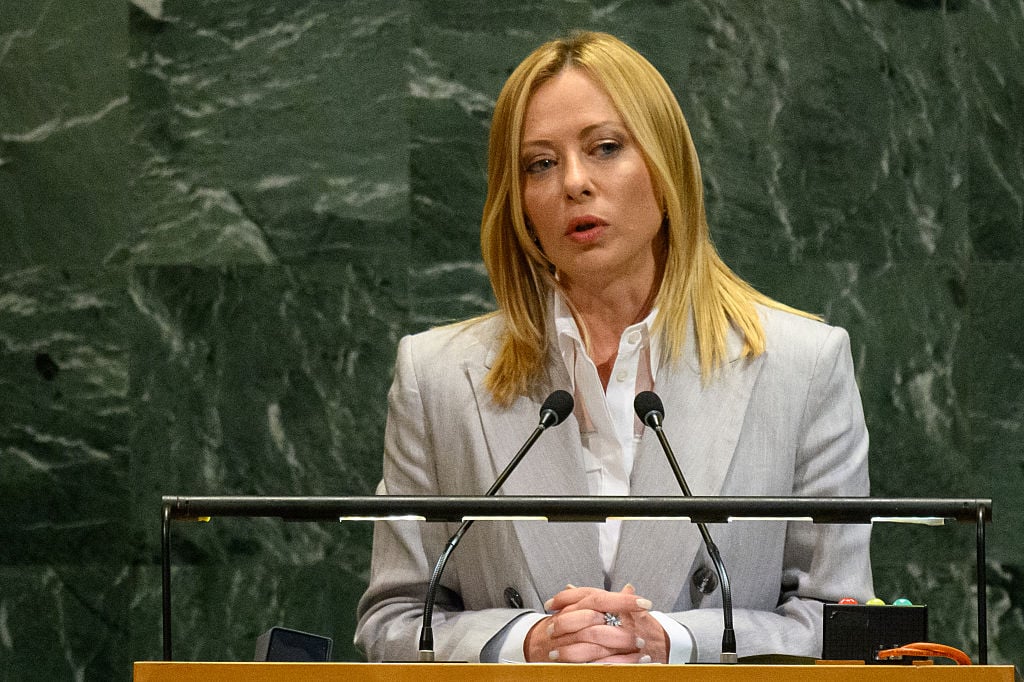
2. Ursula von der Leyen
President of the European Commission
Von der Leyen remains the institutional heart of Europe. She proposes EU laws, steers regulation that reshapes global markets, and controls the policy machinery behind sanctions, climate rules, and industrial strategy.
Reconfirmed for a second term, her power is structural rather than charismatic — but it is enormous. From digital regulation to defense-industrial coordination, few major European decisions move forward without first passing through her Commission.
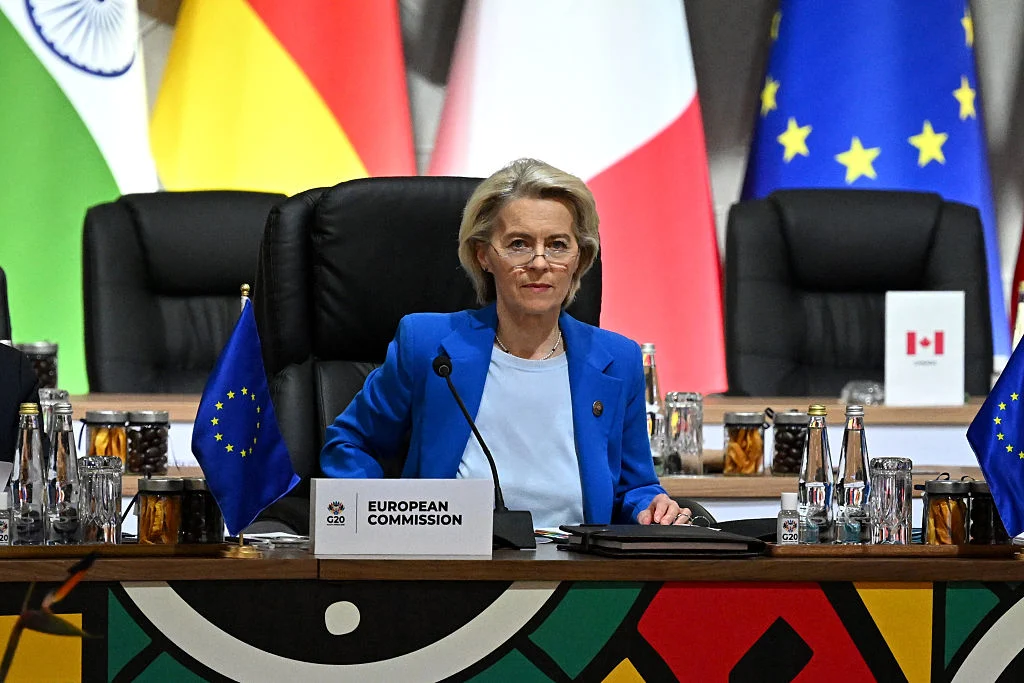
3. Vladimir Putin
President of Russia
He is not European by EU standards — yet no ranking of European power can exclude him. Putin’s influence is geopolitical, military, and existential. Europe’s security architecture, energy policy, defense spending, and internal political cohesion are all shaped in reaction to the war he started.
Even as sanctions isolate Russia economically, Putin remains one of the most consequential figures affecting Europe’s daily reality — often by force rather than diplomacy.
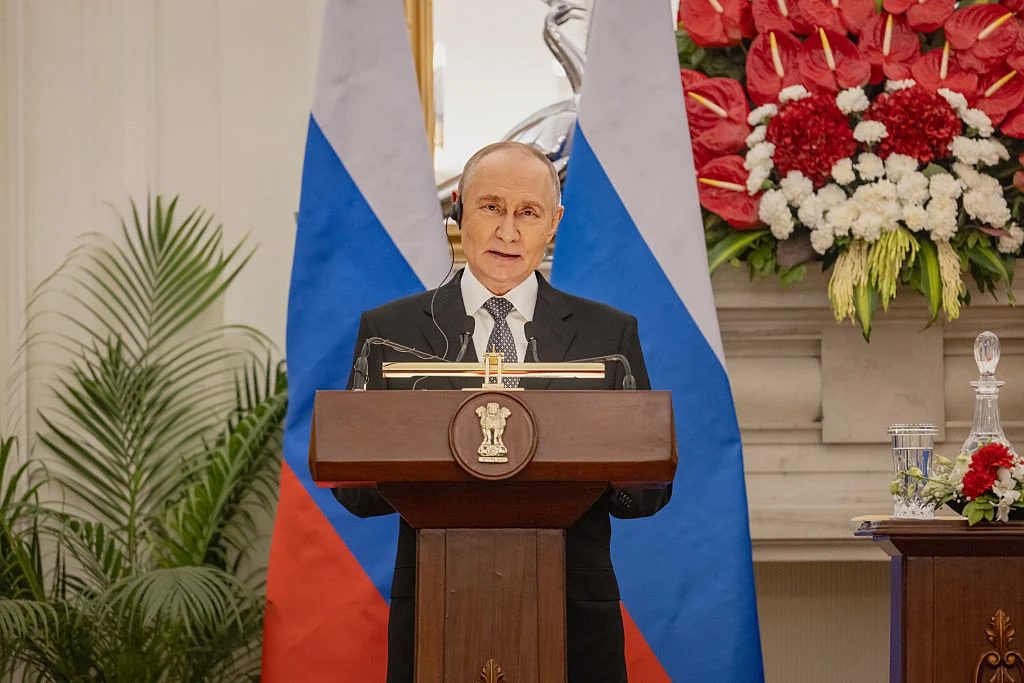
4. Donald Tusk
Prime Minister of Poland
Tusk’s return to power restored Poland’s centrality in Brussels almost overnight. A veteran European leader with deep institutional memory, he has repositioned Warsaw as a pillar of the pro-European, pro-Ukraine axis in Eastern Europe.
In a continent where security now runs east to west, Poland’s voice matters — and Tusk knows exactly how to use it.