
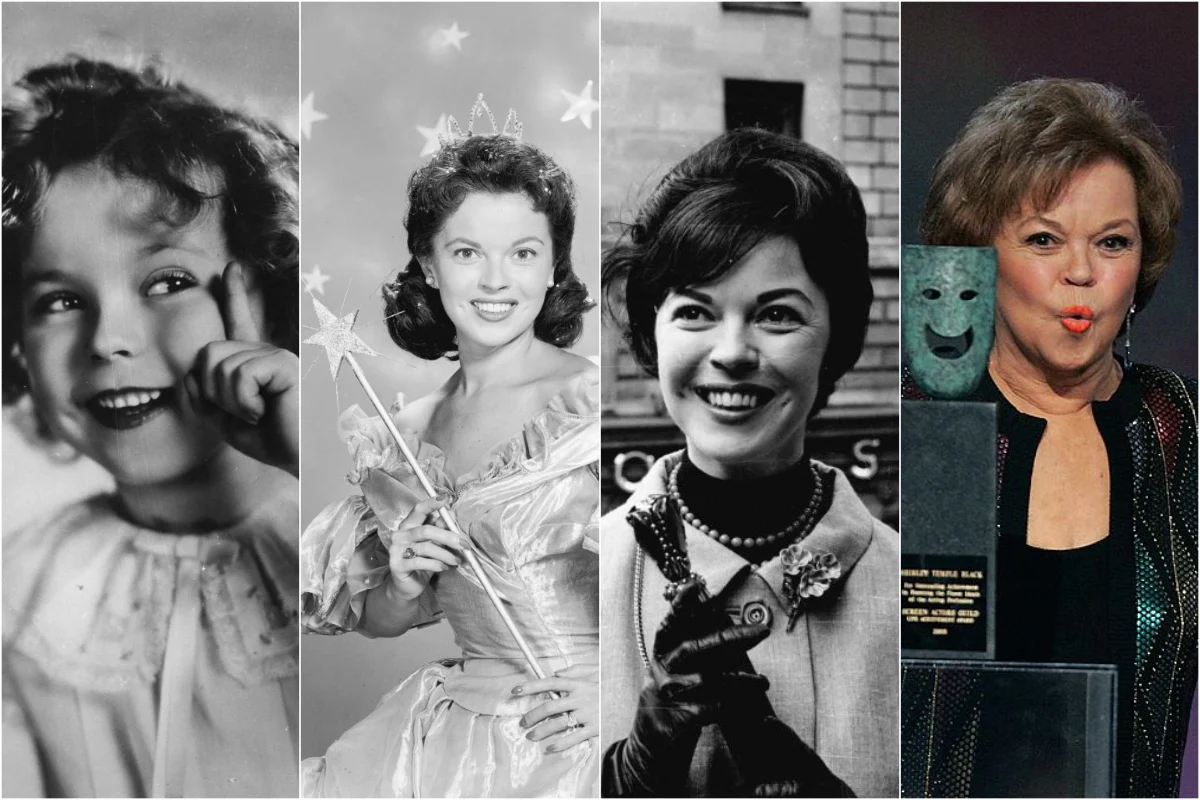
Shirley Temple was the first child star in Hollywood, known for her signature curls and irresistible charm. However, like many child stars, she struggled with her show business career despite a lucrative childhood. After losing roles to stars like Judy Garland and going through a tumultuous first marriage, it would have been easy for her to fall off the map. Instead, she launched an epic career as a political activist, public servant, and diplomat. Plus, she got a tasty mocktail named after her (but wasn’t happy about it). Here’s a deep dive into this legend’s life after Hollywood.
Her Career Continued as a Teen
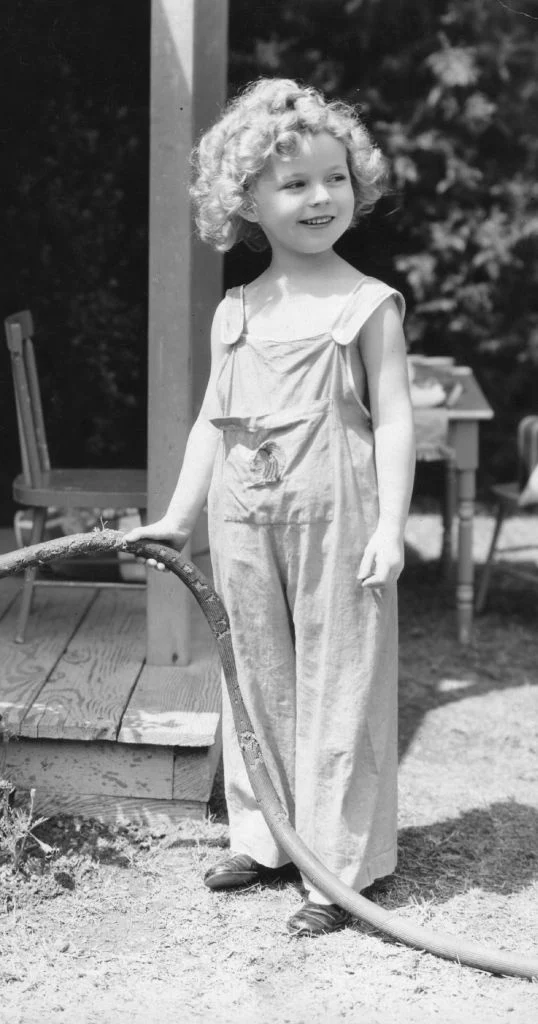
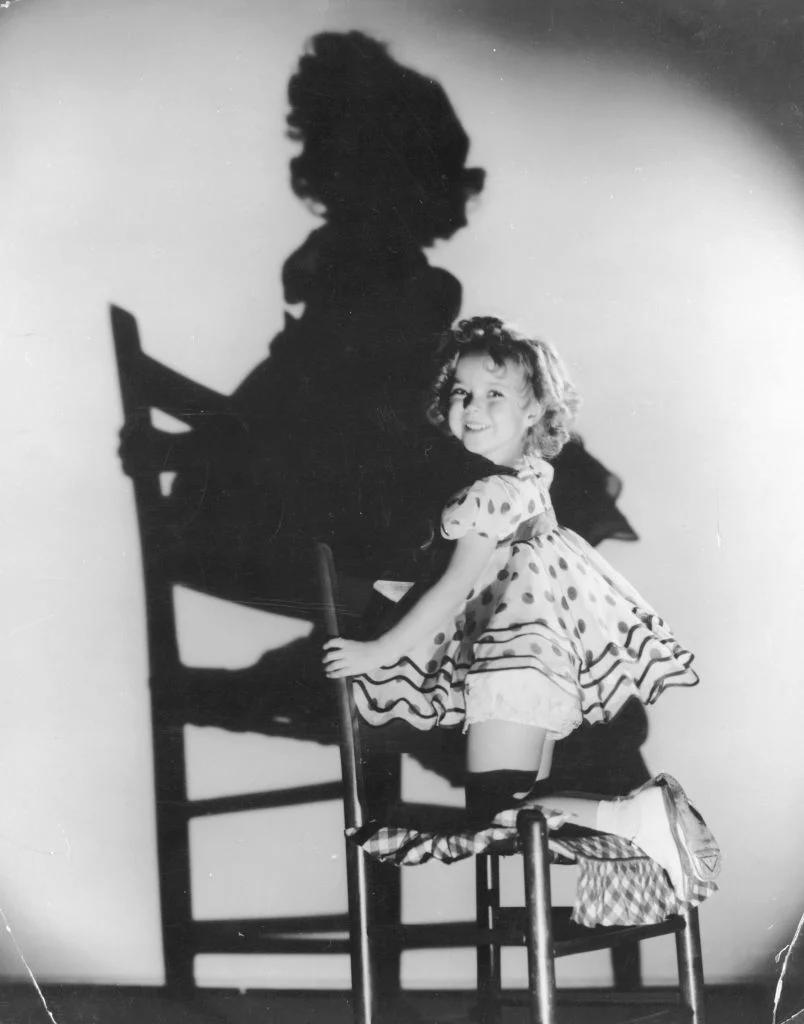
By the late 1930s, Shirley was one of the biggest stars in the world. But as she grew up, audiences moved on. Fox dropped her in 1940, and while she kept acting in films like I’ll Be Seeing You and Miss Annie Rooney, her magic as the adorable tap-dancing tot was hard to recapture. Still, she wasn’t done making headlines just yet.
A Volatile First Marriage
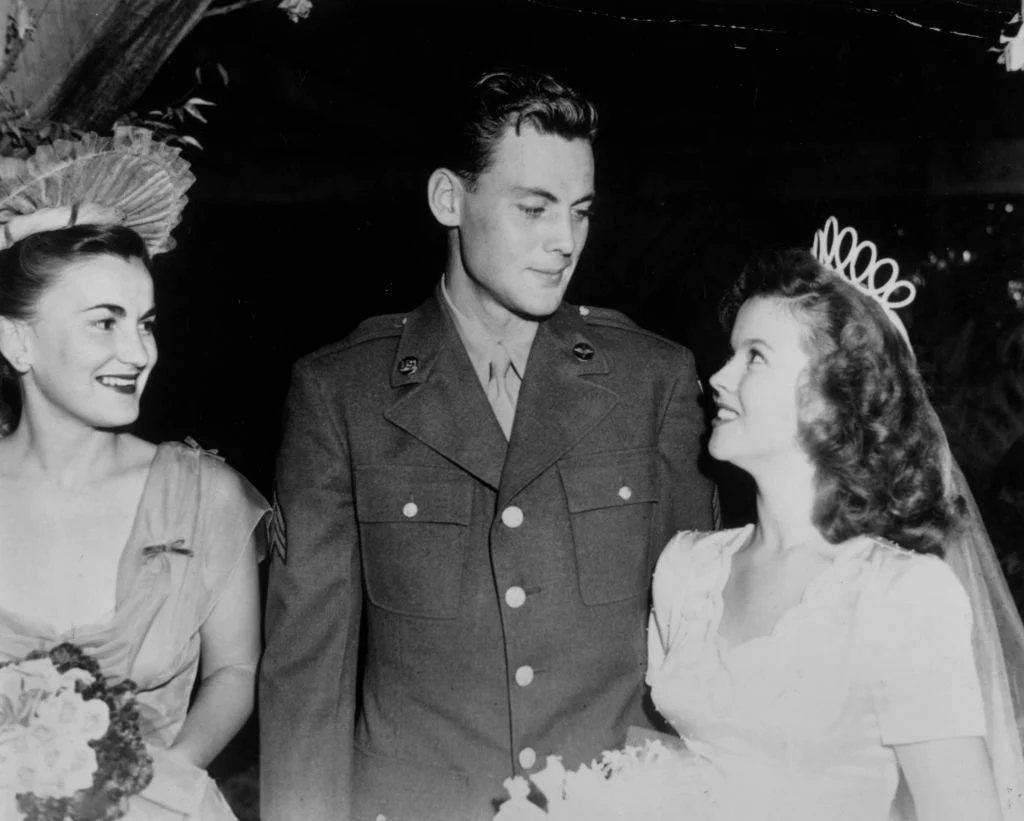
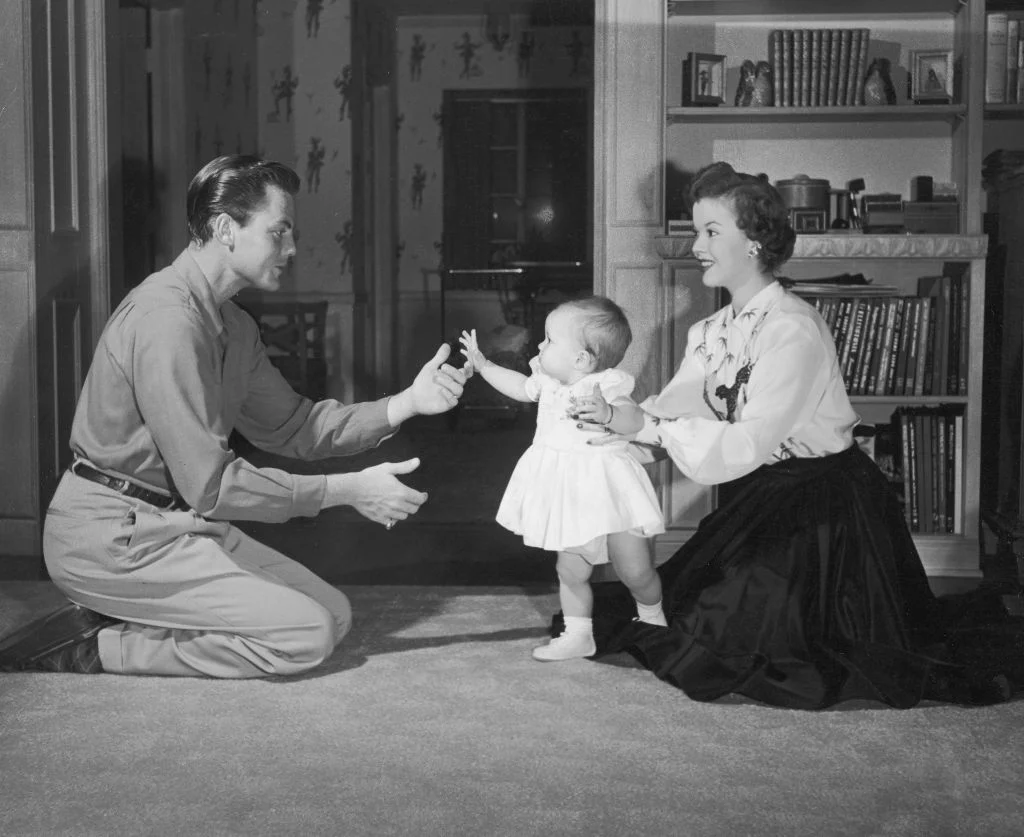
At 17, Shirley married John Agar, a dashing Army Air Corps sergeant she met through friends. He dabbled in acting (mostly because she was already famous) and even co-starred with her in a few films. Unfortunately, behind the Hollywood smiles, things were rough — he struggled with alcoholism and was allegedly abusive and unfaithful. Their picture-perfect romance quickly became a cautionary tale.
A Second Marriage and Retirement
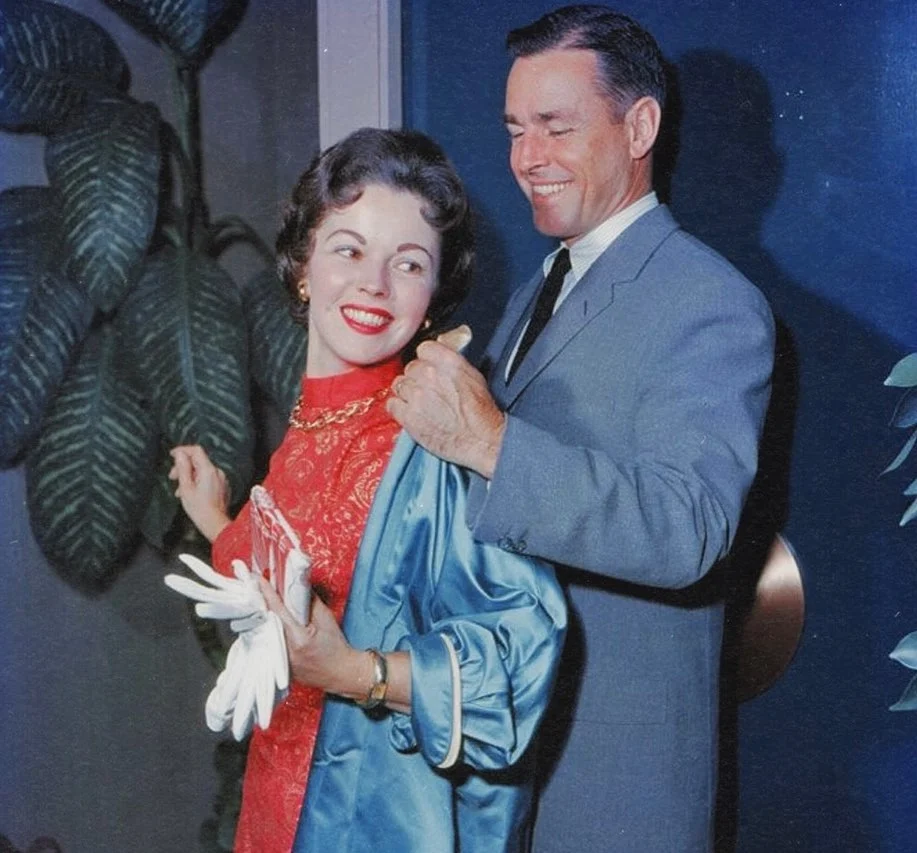
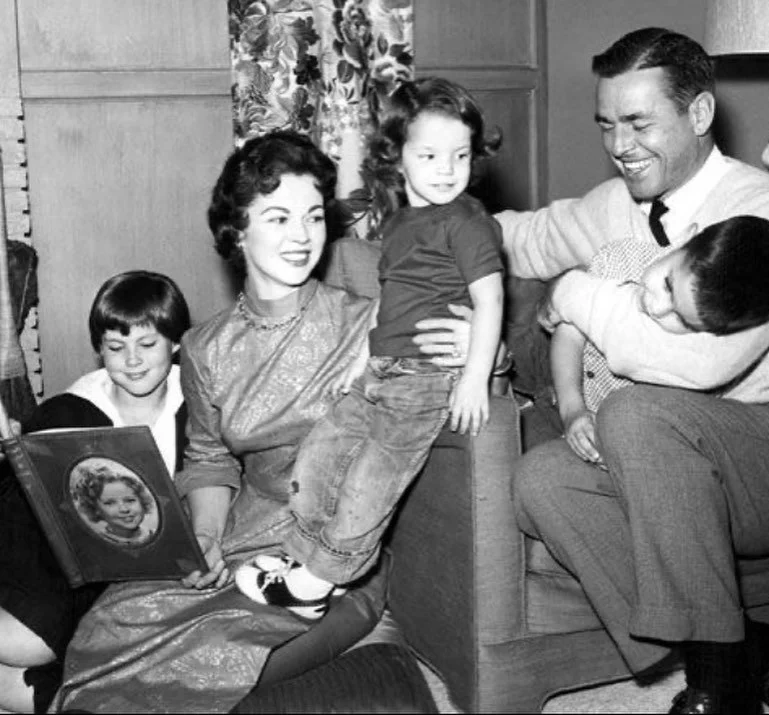
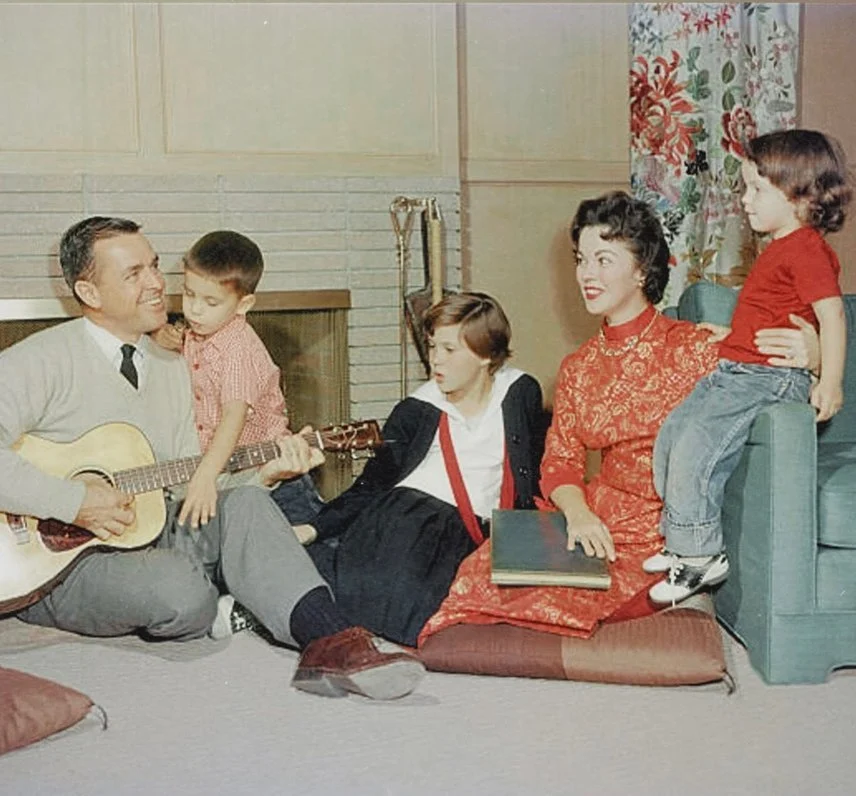
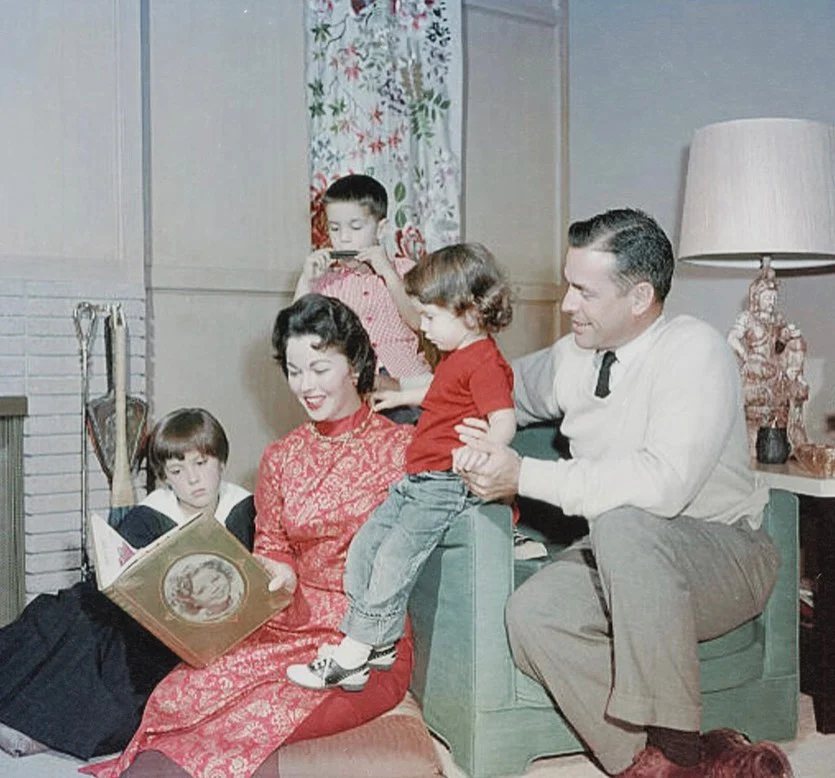
After divorcing Agar in 1949, Shirley didn’t waste time looking back. She met businessman and Navy officer Charles Alden Black at a cocktail party, fell in love almost instantly, and married him just two months later. (When you know, you know.) She retired from acting at 21, moved to D.C. during the Korean War, and swapped film sets for family life — a role she cherished for the next five decades.
Hosting a Children’s TV Show
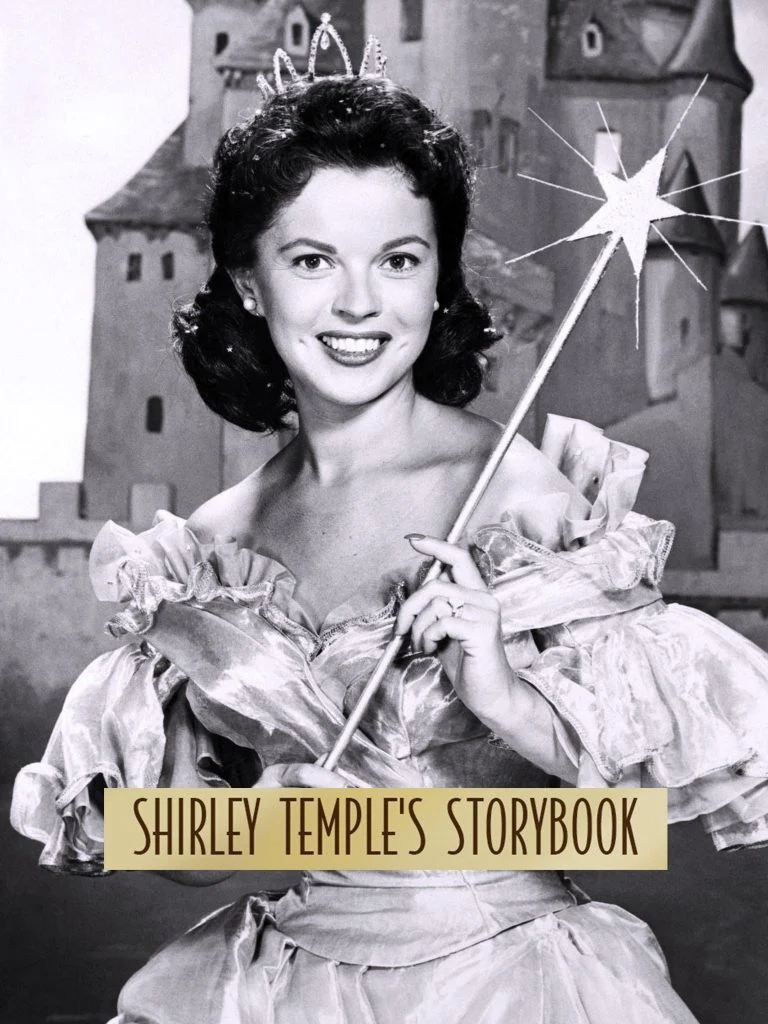
Hollywood may have lost her, but television hadn’t. In the late 1950s, she hosted Shirley Temple’s Storybook, a wholesome series retelling fairy tales and children’s classics. It was ahead of its time — many episodes were shot in color before color TV even became mainstream. Unfortunately, just as color TVs started popping up in living rooms, the show ended in 1961. Timing, right?